Trevor Howard and Celia Johnson are yukkingit up with a balcony audience as the latest Donald Duck fades out. The movie is BriefEncounter. By 1945, Donald’s been blowing his stack for ten years, with far less by way of variation over the last five. Joel McCrea and fellow denizens of a chain gang surrender to spasms of mirth over Pluto’s collision with errant sheets of flypaper and a pair of suspenders in 1941’s Sullivan’s Travels. He’d been doing pretty much the same thing since the early thirties. Watching both these features today raises but one question in my mind --- Just what was so funny about these Disneycartoons? If they'd been watching Nasty Quacks (WB) or Red Hot Riding Hood (Avery-MGM), then yes, that laughter might make more sense, but Walt’s cartoons today earn not one chuckle from this jaded viewer. Was I born too late? Has our alleged greater sophistication rendered these once hilarious Donald/Mickey/Plutos impotent as laugh-getters, or is it just me? As it happens, my family took receipt of an 8mm print of that Pluto/flypaper segment when we acquired our first Bell&Howell home movie projector back in the late forties. This was the first movie I ever threaded up to watch, but I didn’t laugh like Joel McCrea. This week I watched five Disney cartoons released in 1941 --- Canine Caddy (Pluto), The Nifty Nineties and Orphan’s Benefit (Mickey), A Good TimeFor A Dime, plus Truant Officer Donald. I admired them all, but that was it. No other cartoons look so grand. When Pluto falls out of a tree, the leaves float down as a thousand individual cels patiently drawn and custom colored. I see "pretty ink-and-paint girls" (so described in The Reluctant Dragon) in lab coats applying Disney magic in air-conditioned comfort, but was all this conducive to the sort of humor rival studios were getting into their 1941 cartoons? The collegiate amenities we see duringour studio tour in The Reluctant Dragon bespeak comfort, but what about
the comedy?
I found an exhibitor’s comment for TruantOfficer Donald in an old Motion PictureHerald. He said it was terrific… reminded him of The Three Little Pigs. Maybe these shorts need a big audience, though when I’ve tried them with college students, they tend to lay flat. Droopy and Wolfy go over big, however. My problem with Disney cartoons is the monotony of them. Donald’s always getting tangled up with machinery, be it a washing machine, lawn mower, what have you. I’ve seen that duck electrocuted more times than I care to recall, but somehow it’s never as funny as when the same thing happens to Daffy over at Warners. Pluto’s forever beset with smaller animals who get the better of him. In CanineCaddy, it was a gopher. I get so tired of damned gophers trumping Pluto. It’s ritual humiliation, and since he’s the audience identification figure, I tend to feel his frustration all the more acutely. Just once I’d like to see Pluto snatch up a gopher at the end of one of these shorts, bite off the head, and enjoy remains of the carcass before dipping his bloody paw into a finger-bowl and rejoining Mickey. Bon appetit, my man. As for the Mouse, he doesn’t even try to get laughs. The Nifty Nineties is mostly Mickey and Minnie riding around in a sputtering horseless carriage. Any shot in this cartoon would look great framed on your wall, but like Bing said to Bob in All-Star Bond Rally ---Tain’t funny, Hope, tain’t funny. I get the impression, especially after watching The Reluctant Dragon, that Disney artists were somehow timid about going after big guffaws, as if scoring a real gag might somehow disrupt efficiency of the Burbank Utopia they had so recently moved into. I don’t think Avery or Clampett would have lasted long in such a conservative environment. For all of The Reluctant Dragon’s effort in making this look like a wacky and unpredictable place, I sense baleful corporate policing of those pristine halls.
Would we enjoy these cartoons more if Disney had not withheld them for so many years? There was no satellite network devoted to them, in fact, no satellite networks. The only place to see these was the Sunday night World Of Color (main titles always removed) or reruns of TheMickey Mouse Club (same). Theatrical encounters were rare. We might get TheYellowstone Cubs or Ben andMe with Disney features, but seldom a cartoon short. I seldom saw Disney cartoons intact prior to 16mm collecting, and then they were pirated prints, or those educational service things with main titles replaced. At least the forties got original RKO credits, even if the cartoons themselves were routine. Humorist Robert Benchley sees some of them made in The Reluctant Dragon. The feature is a Blu-Ray extra withIchabod and Mr. Toadand Fun and Fancy Free, Dragon a must for anyone interested in that studio’s operation and how it looked in 1941. Live action is far more compelling than co-joining animated segments, but Disney had to deliver up cartoon highlights, for these were signature product and people still equated his name with drawings that moved. The Reluctant Dragon was regarded as something of a cheater in 1941, being little more than a precursor to a typical Disneyland episode from the fifties, promoting Disney product and glorifying the magic environs of his unique studio setting. No other company would have brass enough to charge admission for what was essentially a tour of the lot. Benchley’s presence implies a short subject, as does animated bits spotted throughout a 72-minute running time. Bob is henpecked and nearly as reluctant as the titular dragon to keep his appointment with legendary Walt. Frances Gifford plays a Disney staff member, one of a handful of pro actors drafted to simulate Disney employees, Frank Faylen another, plus live wire Alan Ladd to provide spirited narration for the saga of Baby Weems. I’d assume his radio background cinched the job. Were it not for This Gun For Hire, we might have enjoyed Alan Ladd’s voice behind any number of subsequent True-Life adventures.
The best actor here is real-life animator Ward Kimball, at all times relaxed and confident as he walks Benchley through stagesof a Goofy cartoon, then shares the final product on his Moviola. I don’t know how much screen exposure Kimball got in later TV programs, butreal opportunity may have been missed. Kimball would have made an affable host for Disneyland shows about history and technique of animation, but of course, there would not have been sufficient on-camera room for both he and the boss. Still, of veteran artists who worked on the lot, Kimball had a clearest understanding of Walt’s character and realities of working for him. Fascinating to know that while they were filming this idyllic depiction of life on the studio lot, strike talk was fermenting and disgruntled employees by the hundreds were preparing to walk out on Disney. That is a most dramatic subtext at work here. Were these people painting their picket signs at home even as they played happy employees for the Technicolor camera? Walt’s own appearance is brief, but telling. He is the distracted executive, issuing orders as Benchley enters his screening sanctorum, benign Uncle Walt still a decade off.Disney tucks a foot into his seat and regales his guest with a frankly labored cartoon segment to wrap up the show. "The Reluctant Dragon" we see turns out to be an overlong, latter-day Silly Symphony that does not work half so well as the old Symphonies. The Reluctant Dragon would subsequently go out as a variety of short subjects, making it all the more welcome as an intact, and beautifully preserved, feature on Disney Blu-Ray.
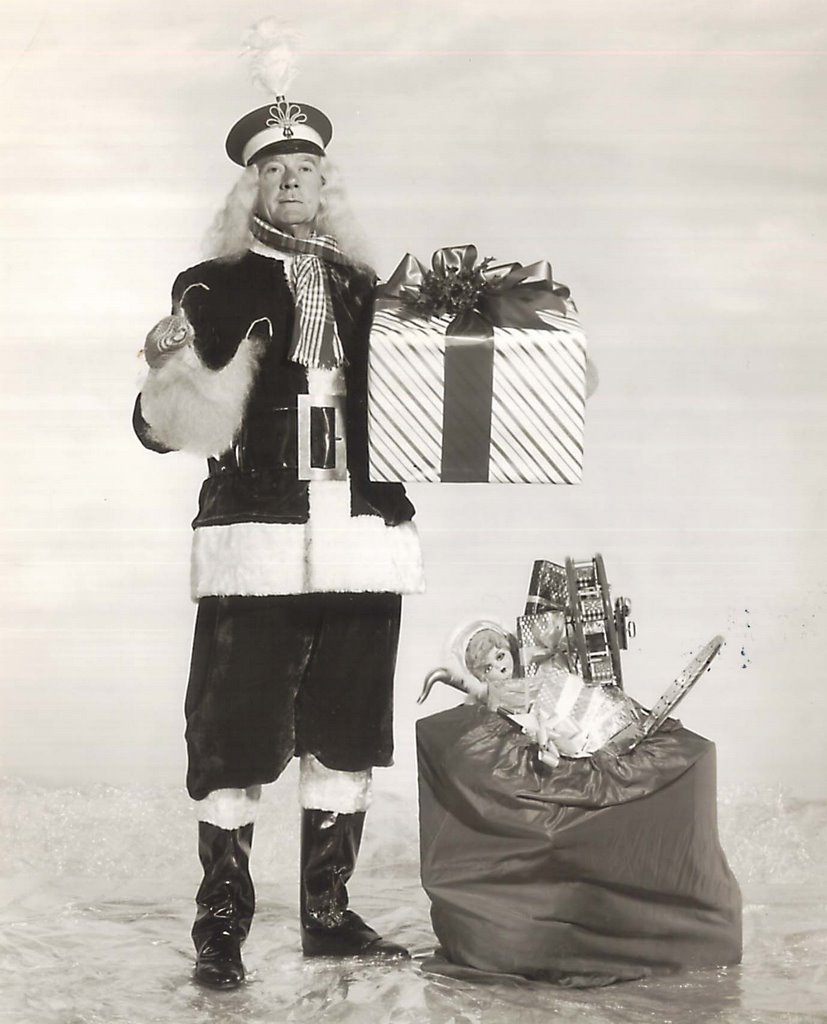
Christmas Eve guests having just cleared out, there's finally a moment to post today's entries. Clifton Webb poses here as an unlikely Santa Claus, andthat's MGM lovelyMaureen O' Sullivanin a mid-thirties Yuletide setting. Hope you're all having a great holiday so far ...
Greenbriar's Five Days Of Christmas --- Part Three
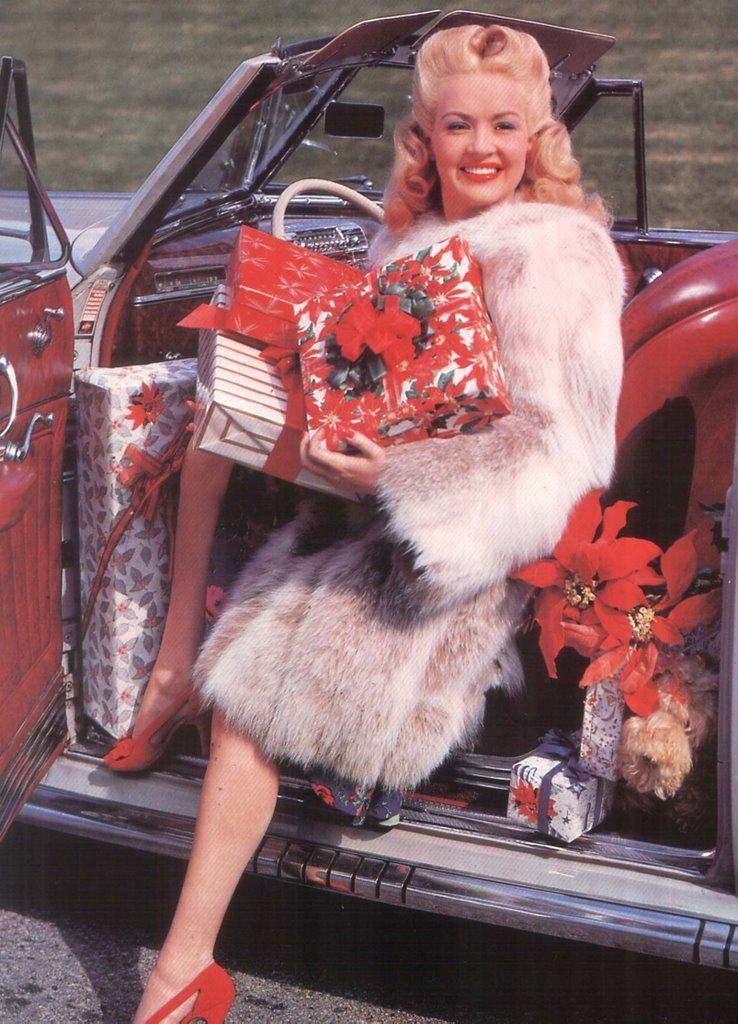
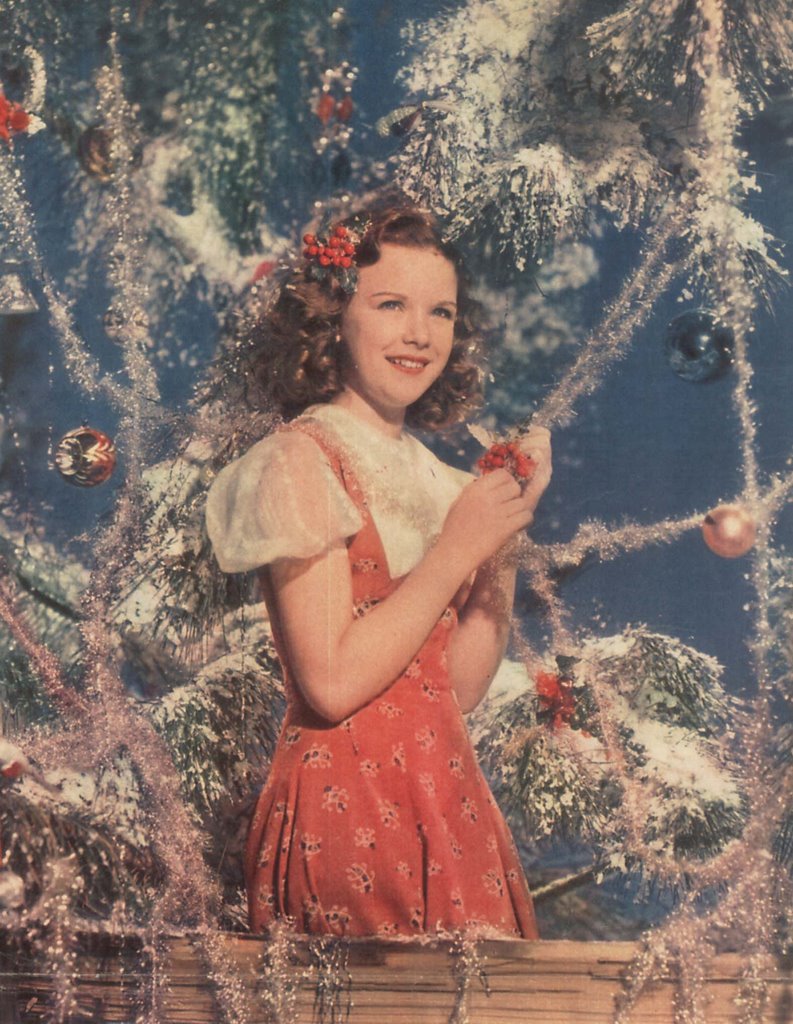
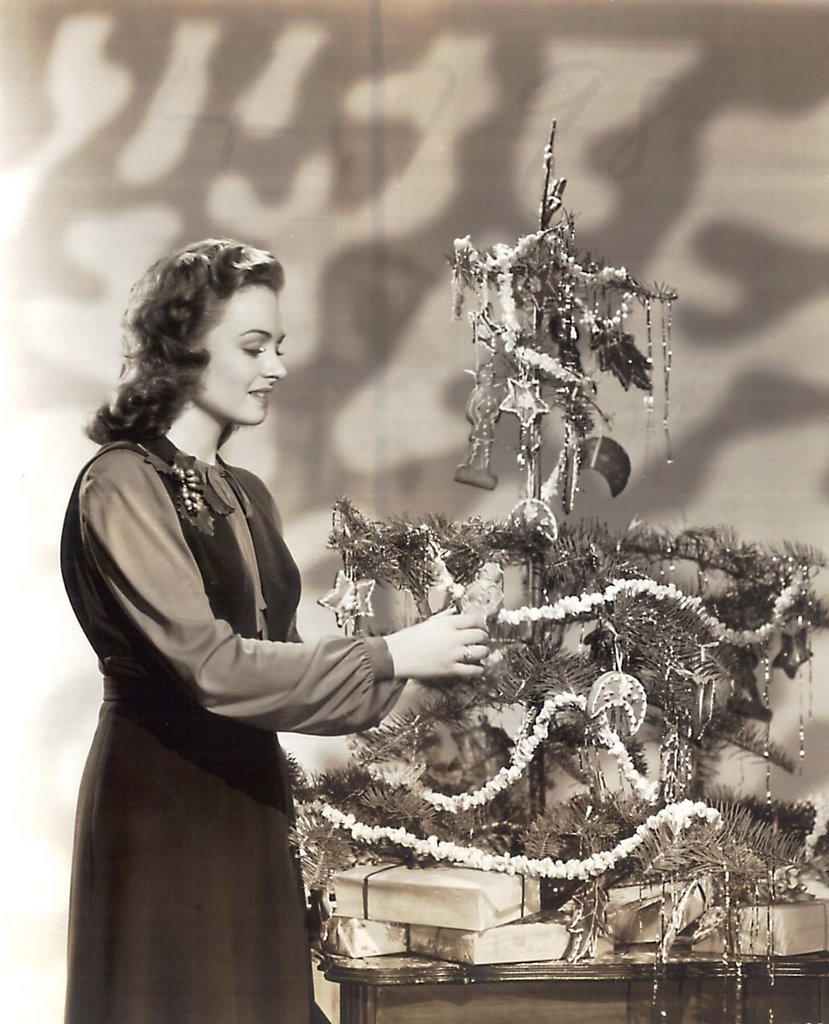
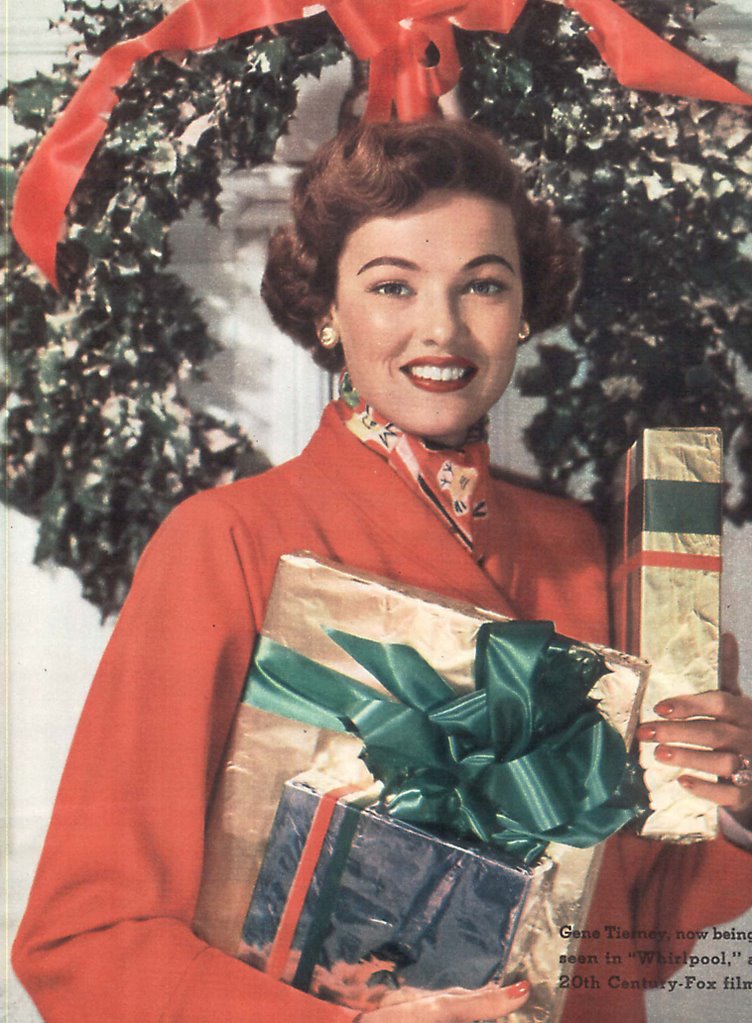
Today's selections include Donna Reed during her MGM period. This pose datesfrom 1945, and tied in with her appearance in John Ford'sThey WereExpendable. TheGloria Jeancolor portrait graced holiday editions of fan magazines circa the early forties. More to come tomorrow!
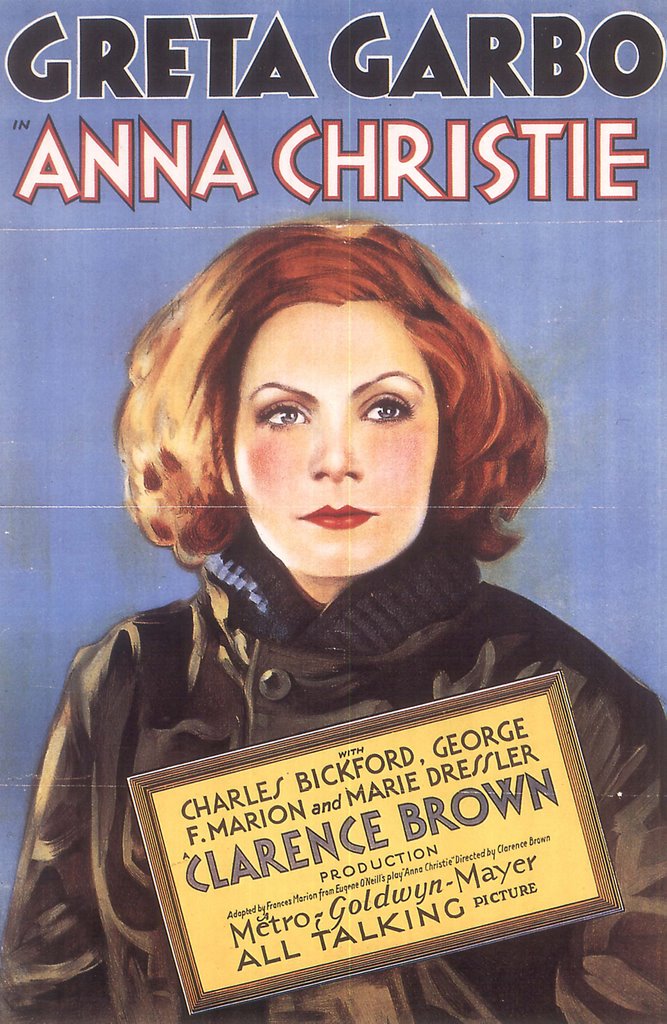
It wouldn’t do for other players to take up Garbo’s distant ways, as there was water but for few at the anti-stardom well (folks didn't like their idols standoffish). G.G. drew from that successfully from almost the beginning, but how does a solitary image reconcile with an allegedly torrid liaison with John Gilbert? Could there have been more publicity than truth in their off-screen relationship? It’s just possible Garbo relented for once and sought the press she would receive for linking with Jack, and Metro would certainly have been complicit, but what of poor Gilbert? Was he played for a chump here? How passionate could this woman have been for any man, where evidence pointed to continuing preference for Mimi back home, and delights to be had upon their forthcoming Swedish reunion? It seems Gilbert was the only one who bought into the notion of a Great Love, just like in themovies, for that was the alternate reality Jack lived in for most of his adult life. A newly empowered Garbo was meantime rattling management with walkout threats (not a bluff, and they knew it), and unilateral scheduling which found her Euro-bound before retakes could be completed on her latest MGM show. No longer could Mayer intimidate her with dire warnings of suspension and talk of disobedience and insubordination (typical verbal fall backs in previous Garbo addressed memos). She merely got on the boat and said she would be back for $5000 a week … no less. Never was such power so vested in a contract player. Metro would make medicine or feel the wrath of exhibitors. Flesh and The Devil had scored $466,000 in profits, The Divine Woman $354,000 --- Garbo was, along with Chaney, the most consistent profit-getter on the lot. Established silent names made handy cannon fodder for the talkie revolution. Headliners of once solid standing were now so much carrion for the crows. Foreign accents were deadly. Emil Jannings split altogether to avoid embarrassment. An awkward talking Vilma Banky discovered Hungarian leading ladies were a hard enough sell in Hungary, let alone here, so she retired. Exposure to microphones exposed any number of limitations, and MGM was loathe to feed Garbo into such a career chipper. Her final silent would also be the studio’s last (TheKiss), and that didn’t open until November of 1929. By then, virtually all of Metro’s femme leads had spoken. There was much at stake with Anna Christie. Uncertainty as to its prospects must have been considerable. Reassuring was the fact that MGM’s prowess with sound hadgotten ShearerandCrawfordover the hump, but even their initial sound numbers couldn’t touch Garbo’s --- Anna Christie took $576,000 in profits to The Trial Of Mary Dugan’s $421,000 (Shearer) and Untamed’s $508,000 (Crawford). The formula for Garbo was rigid, if not ossified. Leading men were non-threatening (Clark Gable a one-shot exception). Gavin Gordon, (a young) Robert Montgomery, and (an intimidated) Melvyn Douglas would serve to keep all eyes upon Garbo, for hers was a fragile image after all, and it wouldn’t do to mis-match this actress with too-dynamic leading men.
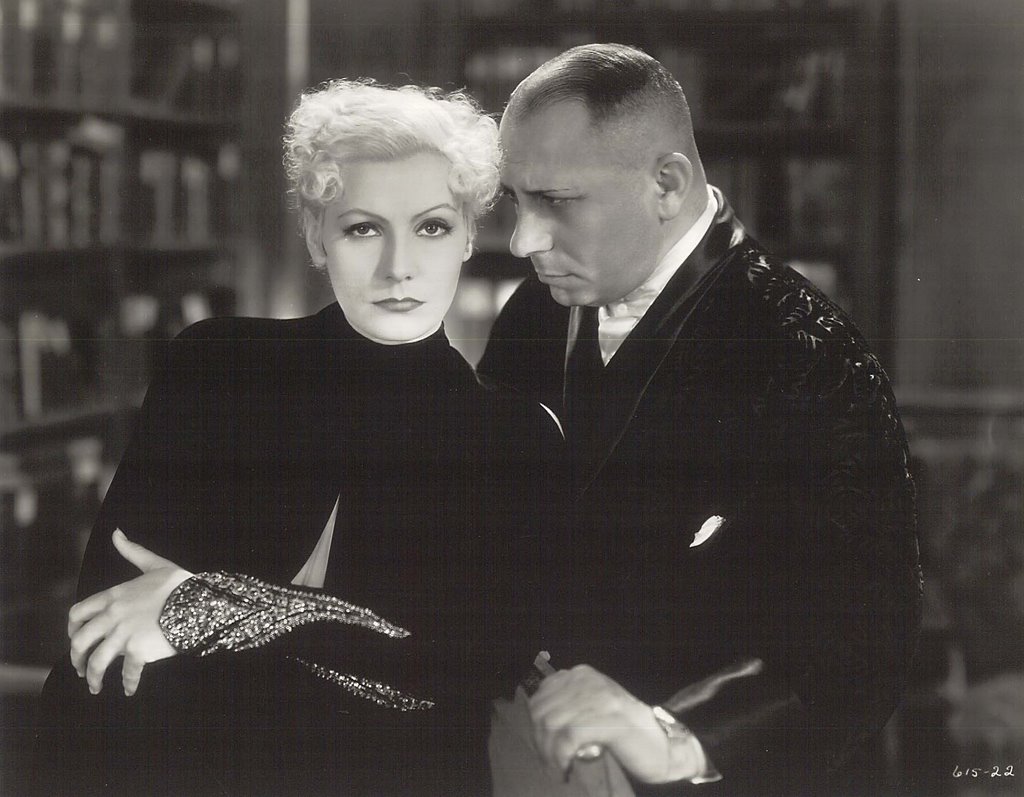
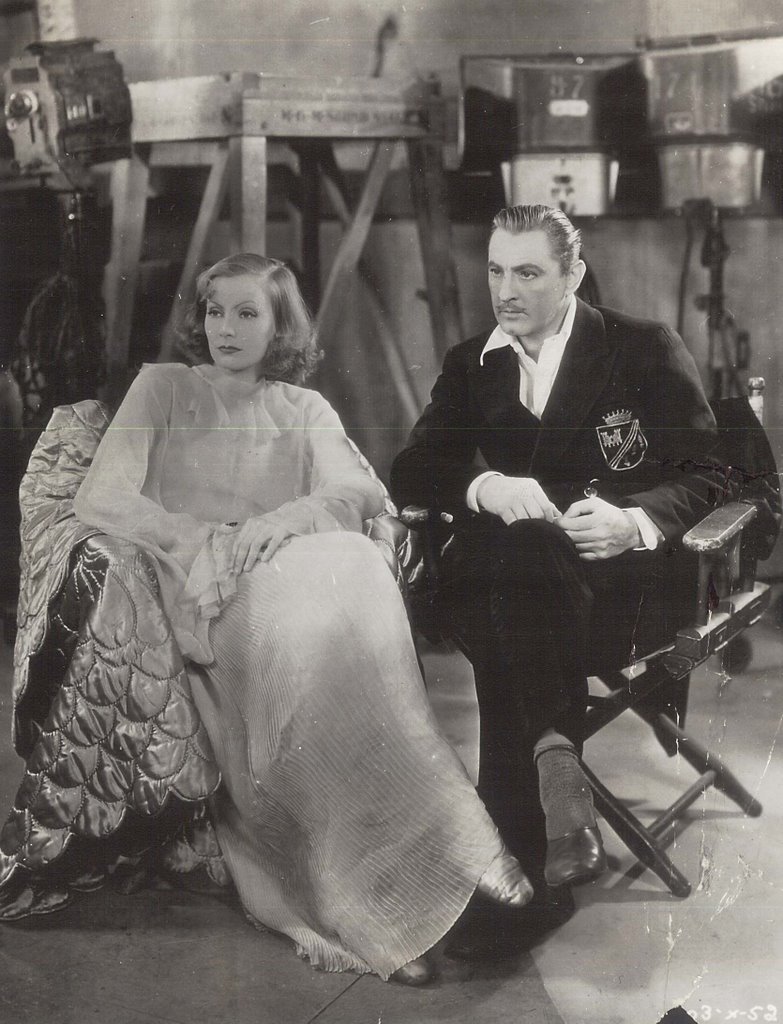
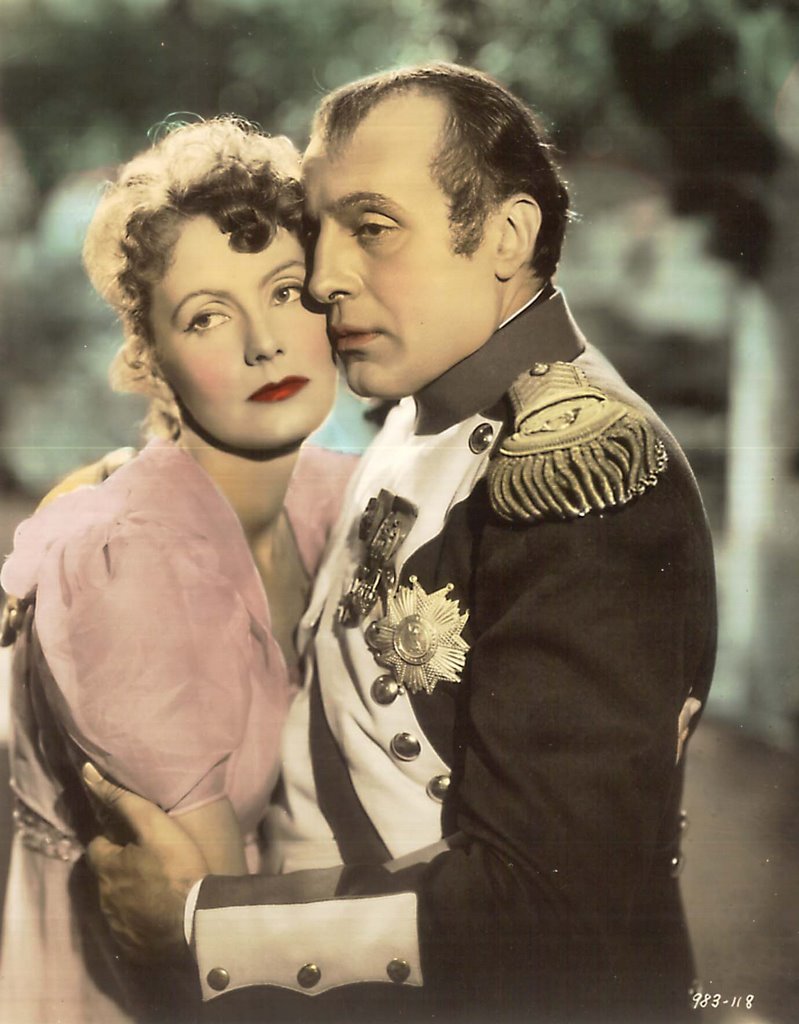
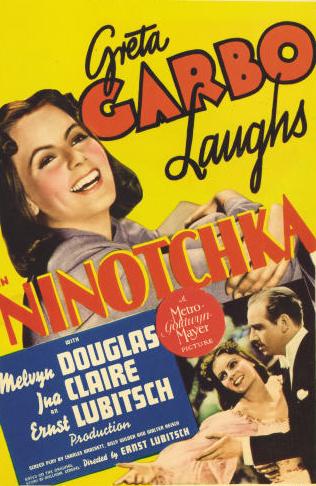
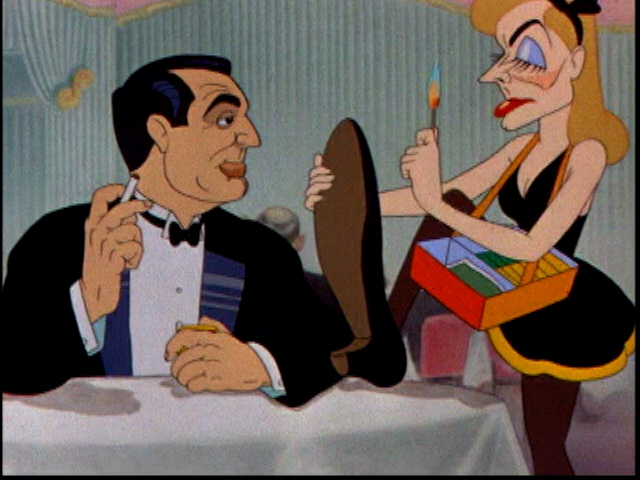
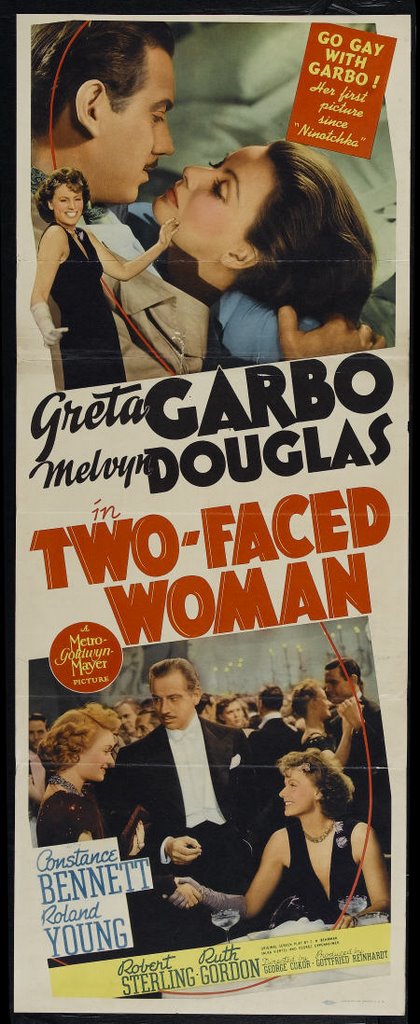
Hollywood and Sweden competed for Garbo’s time and loyalty. Metro panicked whenever she boarded ship, always fearful she may not come back. Could that explain the contract signed in 1933 --- $250,000 per feature, her pledging to appear in only two? Obviously, these would be specials. Queen Christina was co-penned by one Salka Viertel, whose Svengali influence ensnared a now art-for-art’s sake Garbo. Viewers began noticing a morose overcast in both Garbo and her chosen vehicles. Anna Karenina was good, if unnecessary, especially as she’d done the story before, and with a more effective leading man (Gilbert). Conquest in 1936 would be Garbo’s baptism in red ink. The loss was a stunning $1.3 million, the worst hit Metro took that decade. There were pretenders. Marlene Dietrich was Paramount’s copy-cat, and for a while, it looked as though her exotic vehicles with directorJosef Von Sternbergmight overtake Garbo, but a fickle public tires quickly even of new things, and after a first few successes, that series was hemorrhaging. MGM was having trouble enough with their genuine article. Unless she could be softened, if not humanized, Garbo herself would run aground. The triumph that was Ninotchka proved she could play comedy, but the real magic was director Ernst Lubitsch’s, though he was unable to get her on the phone for a proposed rematch. Bad move on Garbo’s part, for the next (and final) one left her to Metro’s ham-fisted mercies. Two-Faced Woman revealed what a truly bad vehicle can do to even the finest actress. Critics, whom she no doubt read despite assurances to the contrary, were aghast. They had always considered her one of them, and above such vulgar exhibits. For all their feeling of betrayal, she might as well have co-starred with The Ritz Brothers. What was left of Garbo’s contract was settled with a willing Metro, but did she intend to quit for good? Clarence Brown had been her most frequent director. He said Garbo intended to come back, but things happened and the chance got away. I suspect offers were tentative at best. Prestige she could bring to any table, but could Garbo assure ticket sales? That was surely an issue by the mid-forties. Her old films were considered museum pieces. The best of the talkies evoked literature class in high school. Old-timers spoke of her in reverent tones, and independent producers recognized Garbo as the ultimate "get" for projects in development. Walter Wanger persuaded her to test for one, but as is often the case, money was a bugaboo, and even the supposed magic of Garbo’s name was insufficient to raise it. She became a fast-moving target for rude photographers, hoisting the flag of scarves, floppy hats, menus, whatever was handy to shield that inscrutable face. Friends who blabbed were no longer friends. LIFE magazine celebrated her in the mid-fifties, and MGM exchanges took receipt of new prints in case showmen cared to re-run Garbo features. Art houses steeped in foreign product of uncertain stateside appeal could always depend on this one Hollywood star who had long ago declared opposition to factory excesses. Garbo was still the pin-up girl for disaffected intellectuals and the critics who flattered them. You’d watch her and imagine a font of wisdom, still water running to limitless depths . Quite the contrary, according to those with access. She seems not to have been anything other than ordinary, and niece/nephew relations in fact found her amiable and fun-loving during visits, so maybe all that wanting to be alone was really just wanting to be left alone where strangers were concerned. Since those strangers included all of us, it was hard not to be a little resentful, but honestly, who’d enjoy being accosted in the street by people one has never laid eyes on? In the end, a reasonable person would have to grant this woman as much privacy as any of us would be entitled to. Considering she had been out of the entertainment business for so many years, Garbo had at least that coming to her. She died at age 84 in 1990. Photo Captions With Erich Von Stroheimin As You Desire Me One-Sheet --- As You Desire Me WithClark Gable in Susan Lenox On The Set of Grand Hotel withJohn Barrymore The Astor Theatre's SRO crowd for Queen Christina WithC. Aubrey SmithandJohn Gilbertin Queen Christina Six-Sheet art for The Painted Veil Clarence Brown directs Garbo and Fredric March in Anna Karenina With Charles Boyer in Conquest Ninotchka Window Card Lampooned by Tex Avery and Co. in Warner's Hollywood Steps Out Insert for Two-Faced Woman
A note with today's holiday images. Tomorrow morning (Saturday), I'll be posting Glamour Starter --- Greta Garbo --- Part Two, as well as Part Three of the Christmas series, so check back. There's also a terrific new book out on Walt Disney, and it's by far the most exhaustive bio I've ever come across. NealGabler is the author, and you get itHERE. Fantastic read.
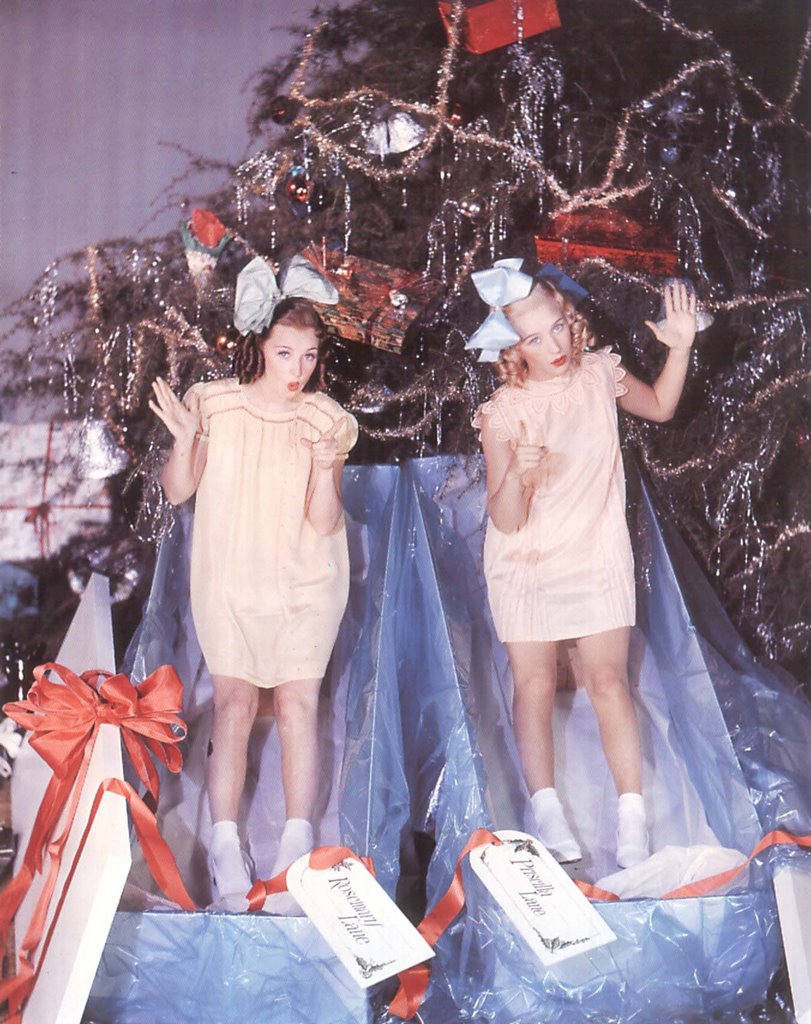
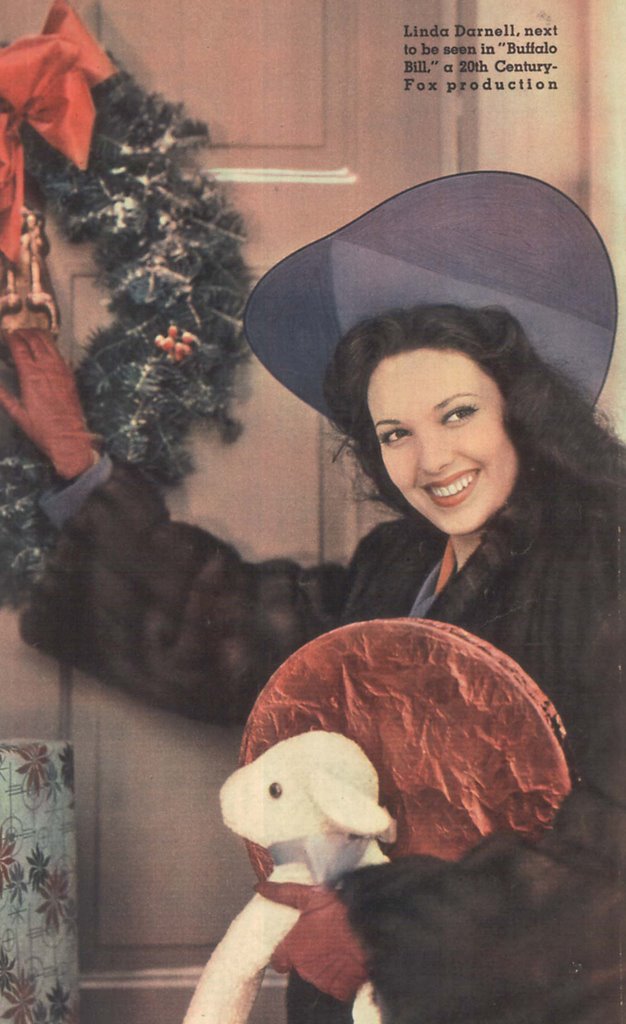
In celebration of our first Christmas online, Greenbriar presents a gallery of holiday-themed star portraits which I hope will be unfamiliar to most readers. These are images that have surfaced over the past year and will hopefully be replenished for another run in 2007. I'll be posting each day through Christmas on Monday, so check by. Maybe one of your favorites will show up.
Monday Glamour Starter --- Greta Garbo --- Part One
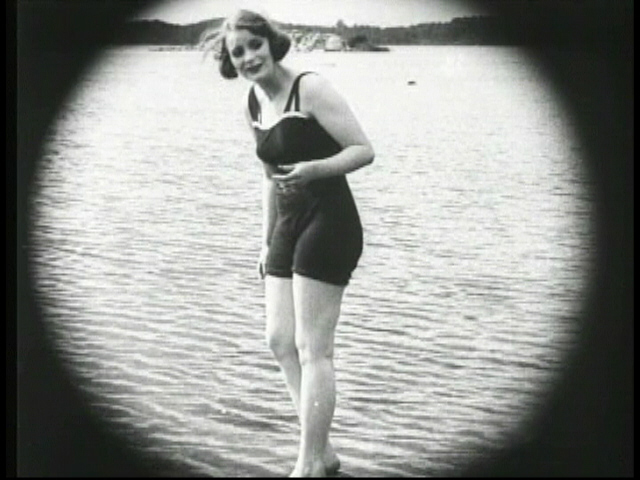
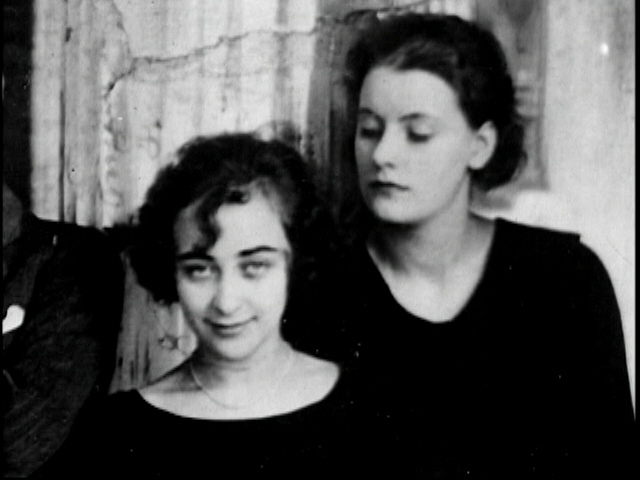
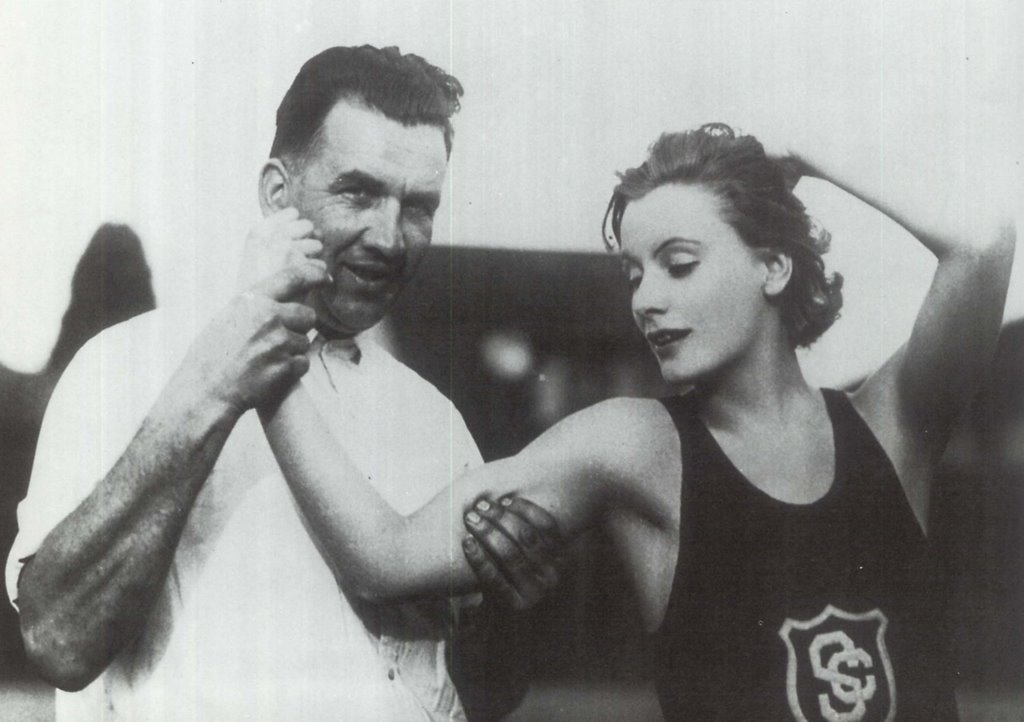
Men have a hard time getting what the Garbo excitement is/was about. She is not for the uninitiated, and even seasoned buffs tend to leave her off a viewing menu. The centennial celebration of 2005 was welcome to those who cared, though I wondered how so many book and DVD tributes would fare after those hundred years had passed. For a lot of people, Garbo is as cold as ice, and that’s all there is to her. Much as I enjoy the films, I never once envied screen partners that bedded her. It never seemed Garbo had an ounce of sex in her, a legitimate issue where we address a presumed goddess of love, if a mostly unattainable one. Garbo's unique sensibility was what mattered in the long run, as willing love goddesses were more easily manufactured. Much of her persona derived from a European outlook, for she conveyed a knowing quality to parts American actresses would have bought into and played straight. Garbo floated above hackneyed material she recognized for what it was. Sometimes her expression betrayed boredom and frustration in it all, and you wondered when she might break through the fourth wall, walk past us all and back home to Sweden. Garbo seemed to traffic in emotions unknown to performing rivals, and yet audiences spotted truth in her work and identified with her responses. That was then, before she ditched celebrity and became a dedicated recluse. To love Garbo was to assume the role of so many hapless men (and women) in her movies, for she’d not give anything back. The prospect of such unrequited love, particularly when it’s directed toward a public figure (an entertainer yet) who by any definition of the term should be more generous, could be an off-putting thing. If she had just once been nice to an interviewer, confessed upon her eightieth birthday that the whole image had been contrived (and there’s reason to believe it was, largely by Garbo herself), maybe more of us could embrace her today. I like to imagine a forgotten Kinescope hidden somewhere at NBC of Dave Garroway and simian sidekick J. Fred Muggs interviewing the elusive Miss Garbo on a 1955 Today segment flanked by Ovalteen commercials and a singing appearance by Johnny Ray. What a treat if such a thing turned up on YouTube ... Should the foregoing seem irreverent, I'll add that I think Garbo’s terrific. Seven of her pictures have passed my way these last days and I've not yet tired of her, so let’s not confuse mine with revisionist voices seeking to dismantle the myth. On the other hand, I’m not of the worshipful school of older critics who built and maintained a shrine that remained intact for all of Garbo’s lifetime, and has only lately been challenged by a new generation of critics coming to her by way of DVD reviews both online and in publications like Entertainment Weekly and Premiere. Sometimes I’m shocked at the dismissive ways of modern media when they tear down sacred totems, and someone like Garbo makes a ripe target for non-believers who failed to get the memo about her greatness. Our Web world has unleashed radical voices to take on the critical orthodoxy where Garbo and a lot of others are concerned. There is quite a gulf between books I’ve read by Andrew Sarris or Alexander Walker and online reevaluations by cheeky youngsters determined to swing the bat on established idols like so many Piñatas. Never have old stars been so fragile as they are today. What’s special about him/her? Were Garbo alive, she might be alarmed by such shifting tides. She’d at least be aware of it, in any case, as I understand there was a clipping service on retainer throughout her life, and during stardom days secretaries were routinely dispatched to go out and buy fan magazines (but only ones that featured her). Garbo herself stole into Museum Of Modern Art revivals during the fifties and sixties. So why shouldn’t she have taken an occasional glance backward, even as she professed not to care? Withdrawn Swedish temperament did not lend itself well to playing with others, particularly on movie sets. You can blow off the press in that business, but it’s unwise being rude to people sharing your monotony on a sound stage. Was it deprived upbringing and unpolished manners that caused Garbo to treat Marion Davies so badly during the latter’s attempt at a friendly on-setvisit?Basil RathboneandFreddie Bartolomew both requested signed portraits at the end of Anna Karenina and were summarily rebuffed. Rathbone remained miffed twenty-five years later penning his memoirs. Movie folk were unaccustomed to snubs like these. It’s one thing to chase off autograph hounds outside the gates, but Garbo made colleagues feel like intruders upon her privacy, and this was not an attitude to foster good will. Had she not been so wildly successful with audiences, I’ve no doubt they would have relished giving her the pink slip. The bigger Garbo grew, the higher she erected those walls. It got to a point where other actors weren’t even permitted to watch her emote, such was Garbo’s determination to keep things private between herself and the camera. All this eccentricity was bred by success, for at the beginning, she was reasonably affable and ambitious as the rest, but much of that team spirit was left behind in Sweden, where hard times made her thankful for work in advertising reels and modest features. She got into a drama academy despite humble beginnings, and there became hopelessly smitten with classmate Mimi Pollak (shown with her here). Recently revealed letters track Garbo’s devotion through a lifetime of unrequited passion, but by the looks of pixie Mimi, who could blame her? Lakeside swimsuit footage for a commercial film were shared with two other ingenues, both with seemingly better prospects than a plumpish Garbo, her heft soon giving way to an MGM-mandated all-spinach diet once they hired her. Luck was with her when director Mauritz Stiller offered The Saga Of Gosta Berling, far and away the biggest undertaking yet attempted by a Nordic filmmaker, and one noted by a visiting Louis B. Mayer, whose interest in Stiller was now sidetracked by a fascination with Garbo. Both artists would decamp to America, providing the finishing touch to a Swedish industry already deprived of its other distinguished director, Victor Sjostrom (by way of his own Metro contract). Stiller the mentor and master would come to know that in Hollywood, survival was for the fittest, as would his pupil, though Garbo, whose good luck remained unswerving, flourished even as his floundered.
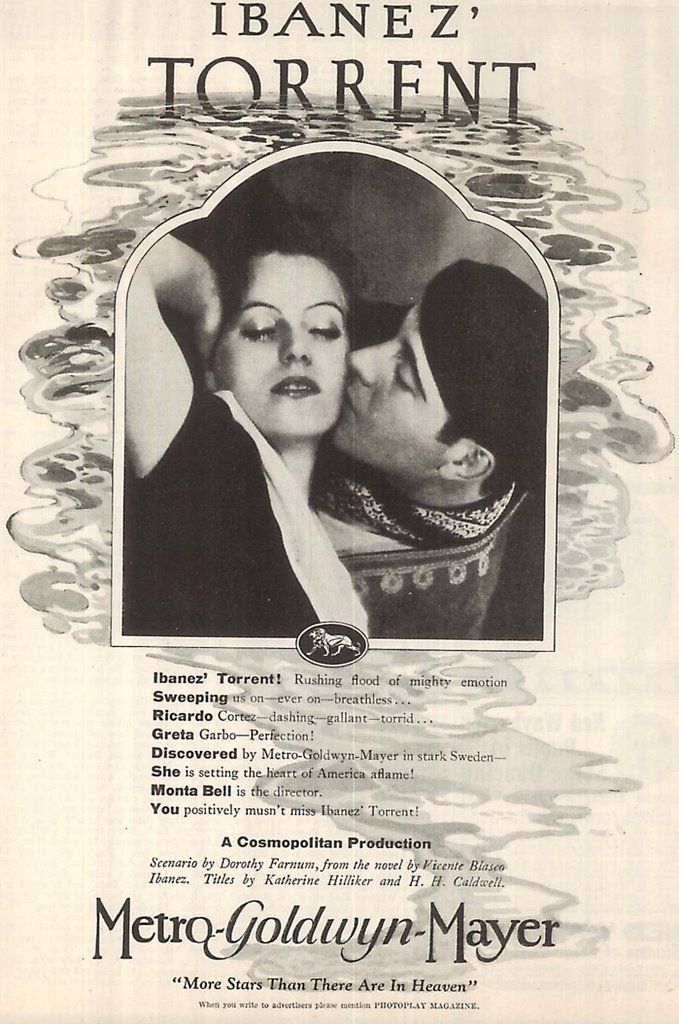
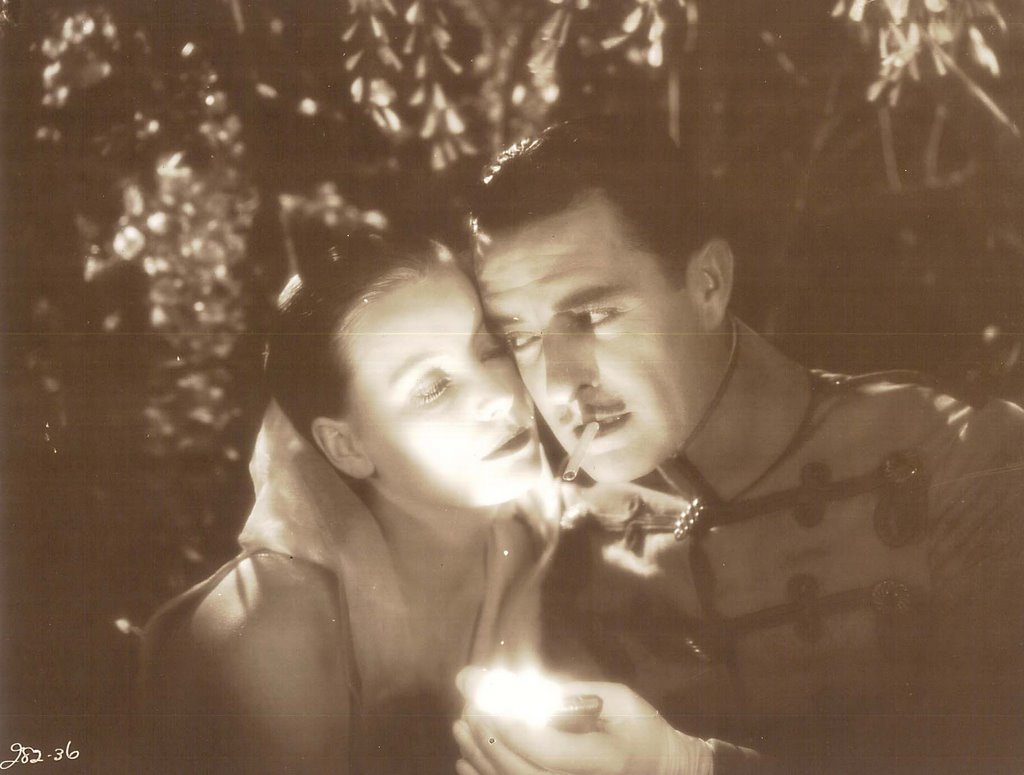
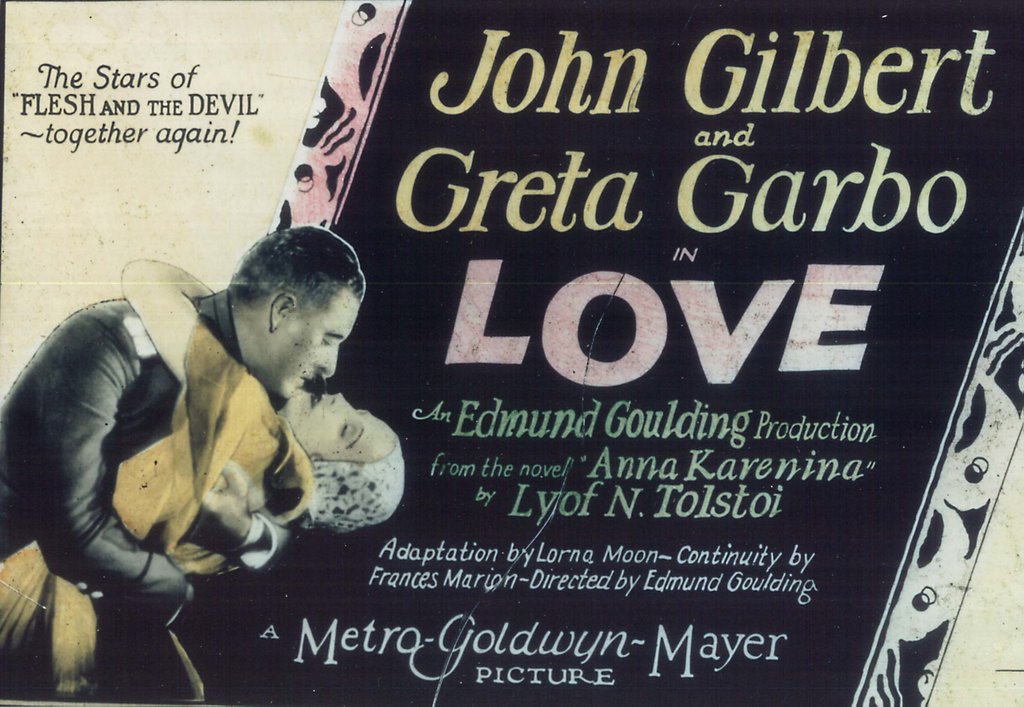
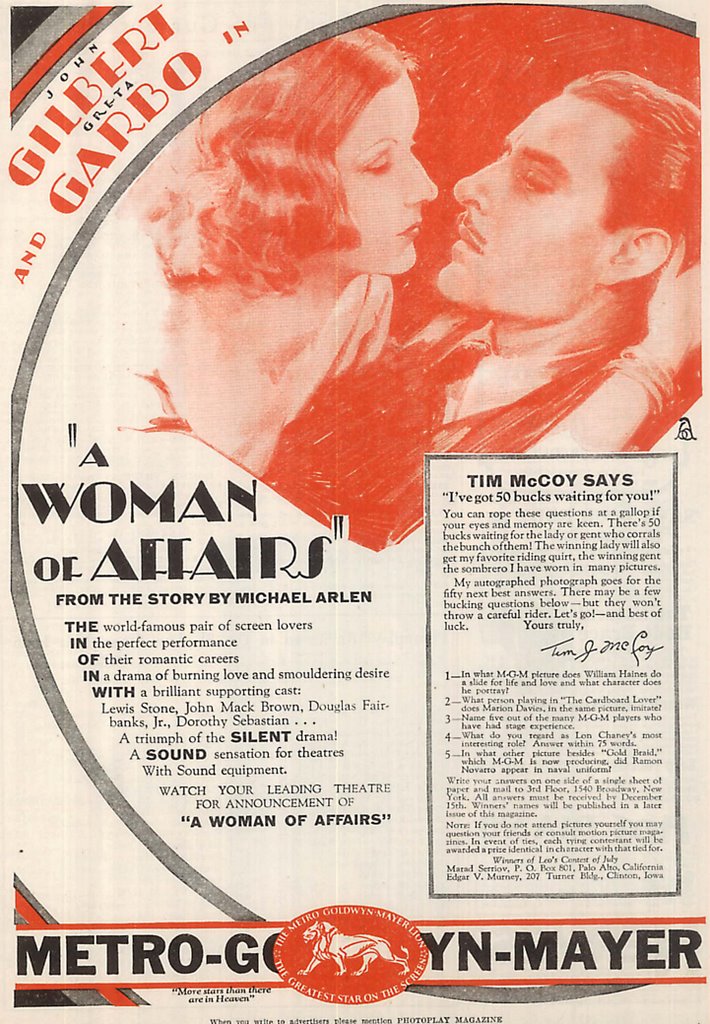
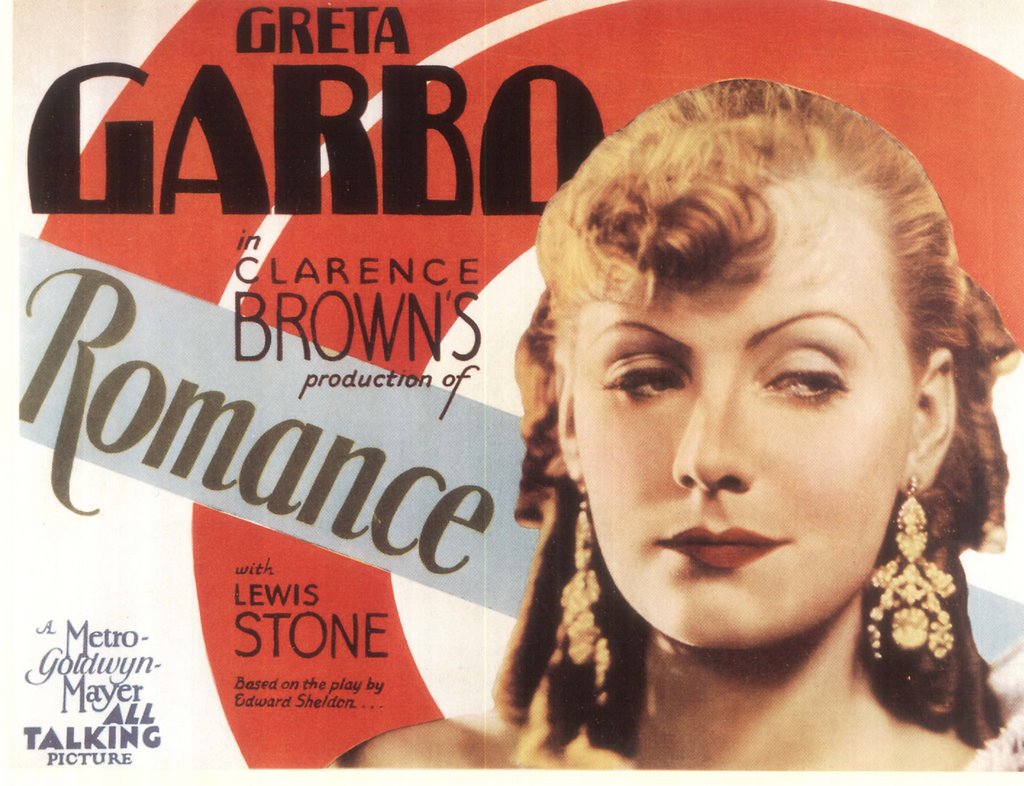
If MGM had a model for developing Garbo, it was likely Paramount’s Pola Negri, a German import whose line in Euro-sophistication awakened passions dormant in stateside audiences and gave us all a taste for Continental variations on lovemaking. It was only natural that Garbo be herded in the same direction. Otherwise, why bring her over? We’ve forgotten Negri, thanks to films mostly lost, while all but one of Garbo's output do survive, including a lush initial two, The Torrent and The Temptress, both based on Blasco Ibanez novels and showcases for the new star. Any $400 a week player would have died for a start so auspicious, but Garbo complained and made waves from a start, disdainful of what she called "vamp" roles, and vowing to packfor home unless things improved. SympatheticLon Chaneyadvised her to keep them guessing. Be mysterious and secretive, he advised. The conscious decision to do just that defined the remainder of her career, as well as offscreen life. The purposeful withdrawal saved her the embarrassment of dealing with a corporate and social structure she could not comprehend, silence on screen deflecting awareness of language skills she lacked (Garbo consolidated her stardom before talkies arrived). Best then, to become known as "The Swedish Sphinx" so long as you’re obliged to drag an interpreter everywhere you go (and hers was doubling as a Mayer snitch). From such sour fruit came ambrosia, for Garbo’s pained ambivalence struck a chord with her public and gave them something brand new --- a reluctant movie star. MGM went public with contract disputes, as this played hat and glove with the image they had fostered. Flesh and The Devil profited from that investment in publicity, for theon and offscreen coupling of Garbo with (much bigger) co-star John Gilbert turned the ignition on a boxoffice clean-up that made these two the screen’s most believable love team. Rival pairings of a Colman/Banky, Gaynor/Farrell sort were persuasive enough as make-believe love matches went, but none generated the heat of a Gilbert/Garbo embrace, its carnality given further emphasis by the leading lady’s fervent way with a kiss (open-mouthed and/or ontop of Gilbert). As to standards of further Garbo silents, they remained high, and ever increasing grosses rewarded Metro’s effort. Love, The MysteriousLady, and A Woman Of Affairs still play nicely today, while The Single Standard,Wild Orchids, and The Kiss each benefited from recordedmusic-and-effectsduring those waning days before talkies. As to these, Garbo must have worn the rabbit’s foot Vilma Banky and Emil Jannings lost, for she was about the only notable foreign-born survivor of the sound purge to come. More about that inPart Twoto follow.
Buried Treasures --- The Tall Target and The Young Philadelphians
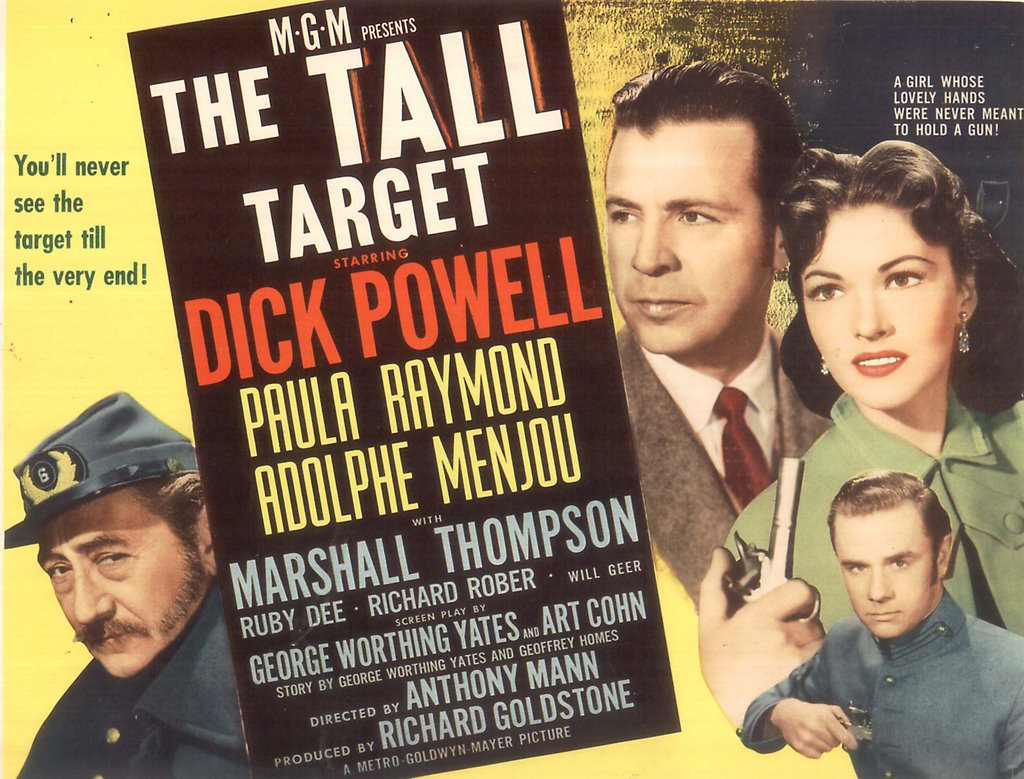
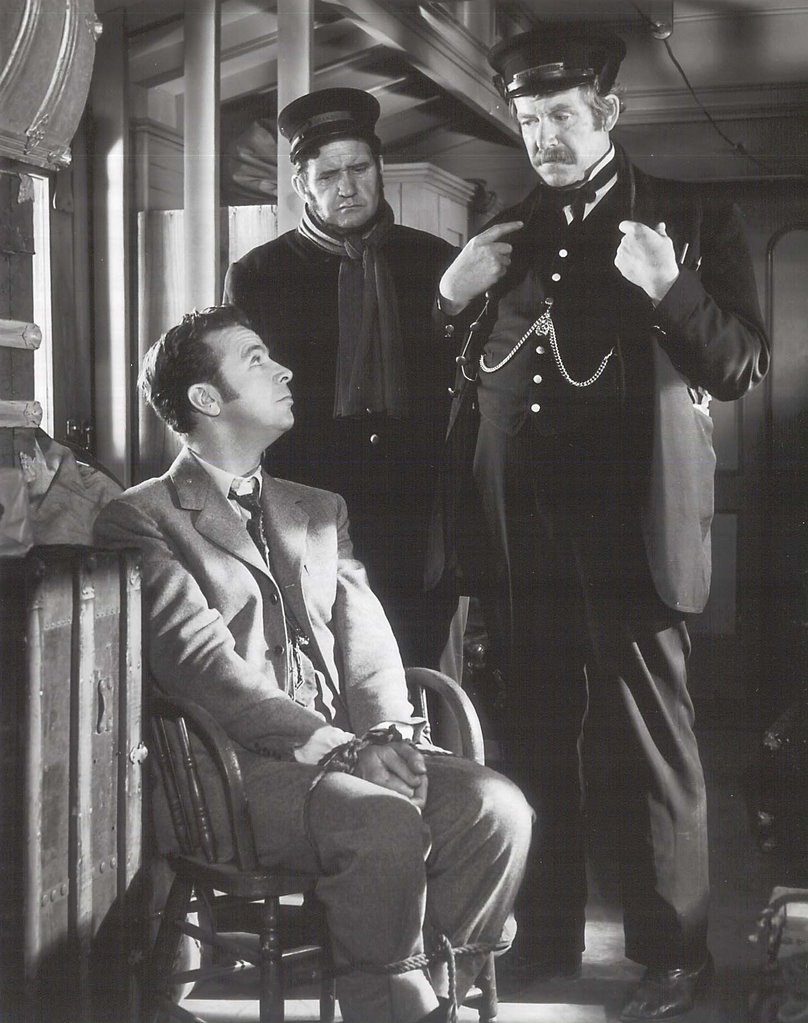
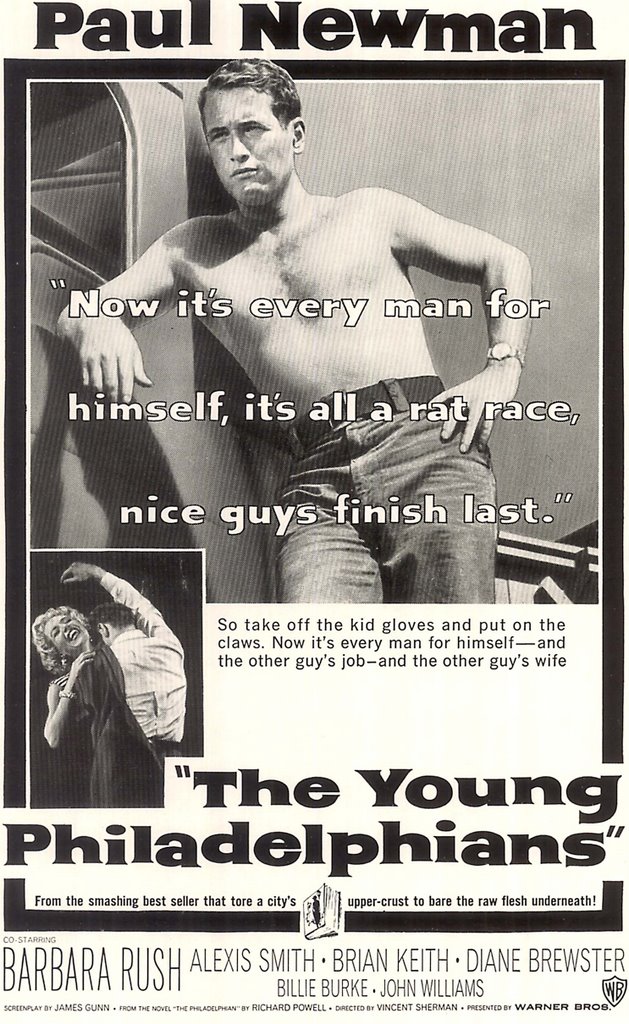
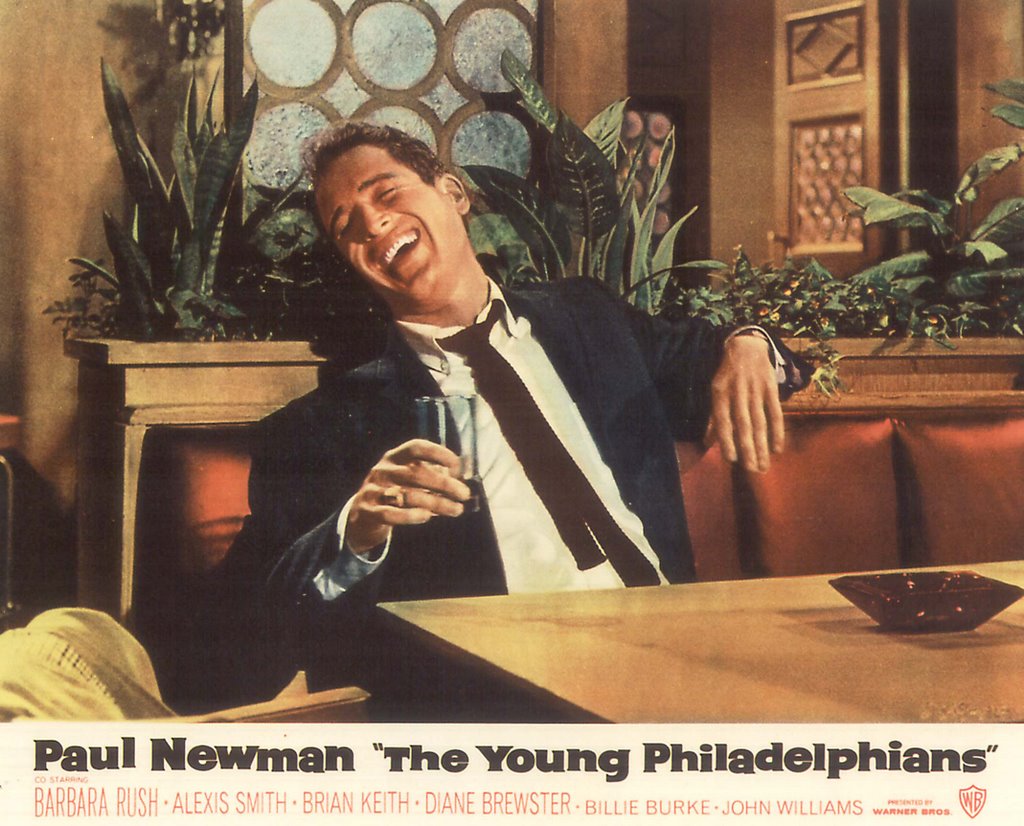
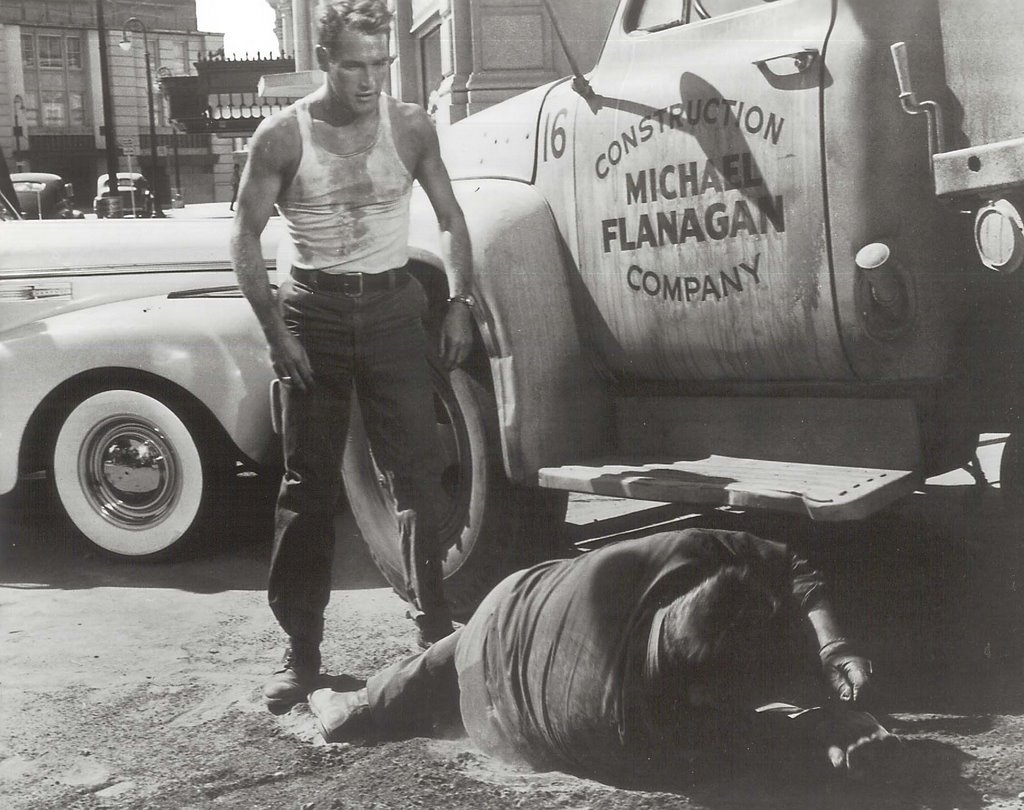
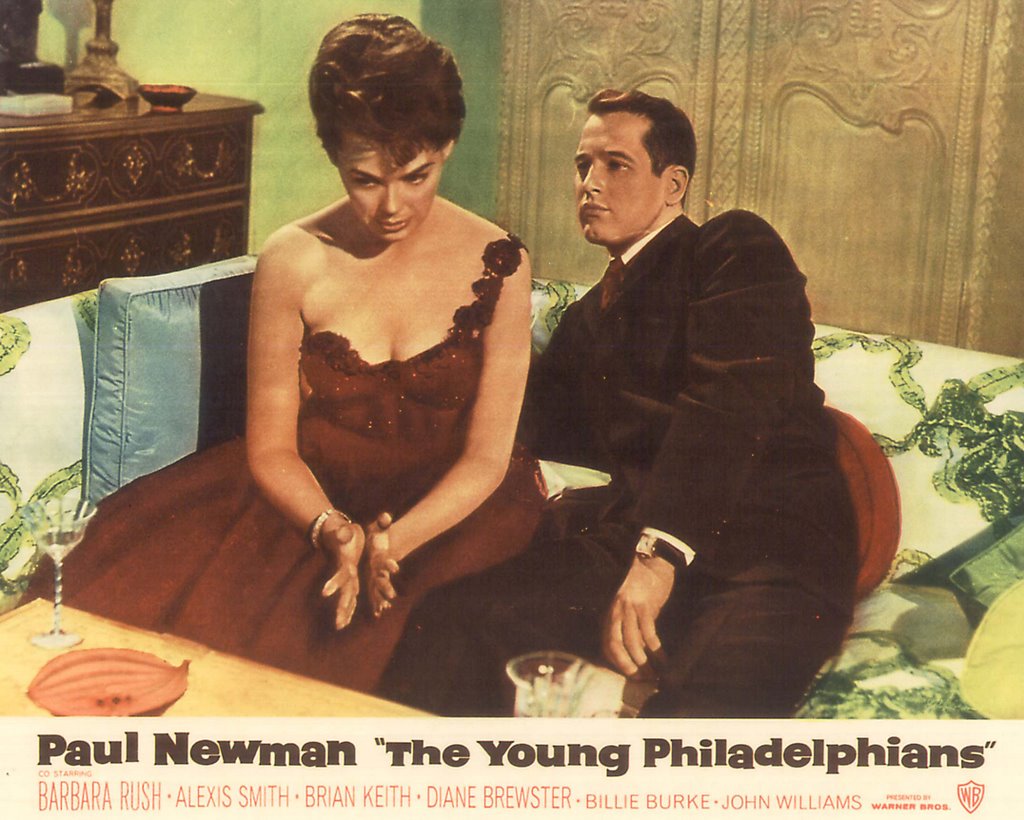
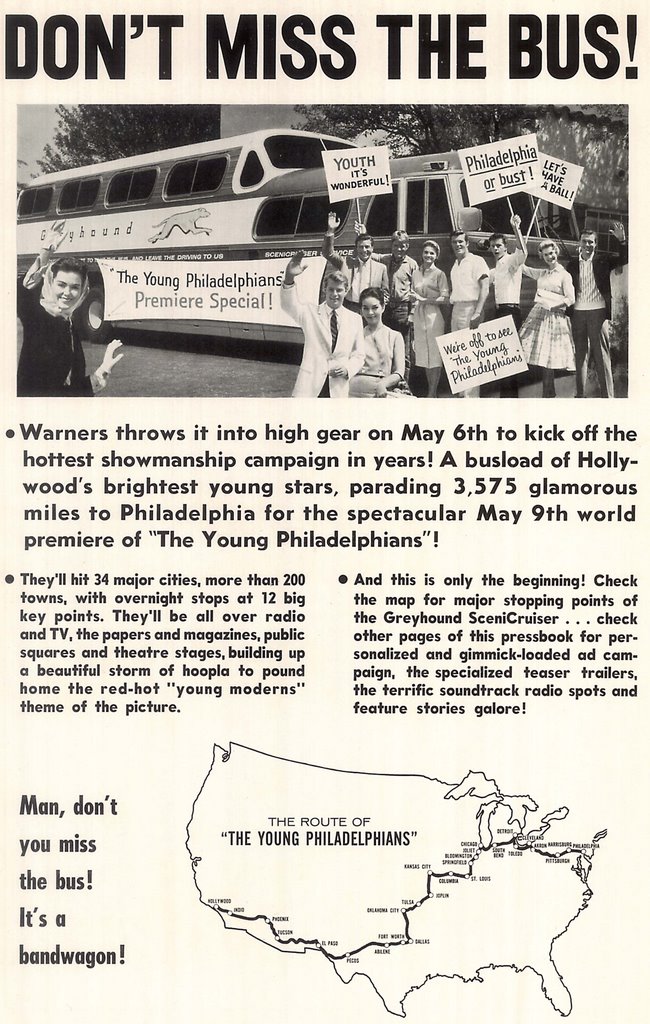
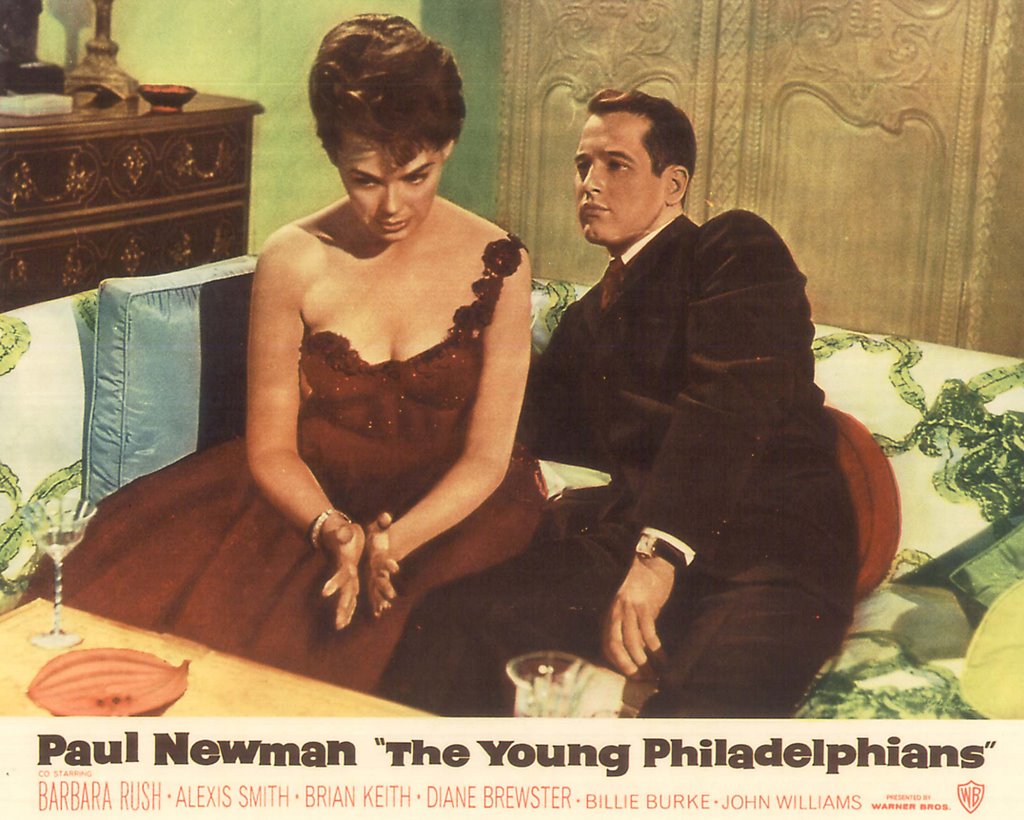
The Tall Target may be the only authentic pre-Civil War noir ever made, a unique and gripping depiction of a real-life chapter in Lincoln’s life I had been been unaware of. Anthony Mann directed this between Devil’s Doorway and Bend of the River. He was quoted as saying thatThe Tall Target was his attempt to emulateHitchcock, but these taut 78 minutes were more akin to Mann’s own T-Men, Raw Deal, and Railroaded, three budget noirs upon which his solid reputation was then based. They provided the critical and commercial traction to get him into Metro where crime thrillers and gritty westerns were more plentiful than a lot of us recall today. For a company primarily associated with musicals and glossy star vehicles, MGM veered toward meaner streets after the war. Major names werenow doing on-screen police and detective work. Van Johnson,Robert Taylor, and Robert Montgomery were unexpected noir dwellers, but studio overhead demanded a steady flow of product, with happy result pictures like Border Incident, Side Street, Devil’s Doorway, and The Tall Target, all directed by Anthony Mann. The fact that three of the four lost money was no reflection on their quality. Border Incident, for instance, was a film without stars (and a final loss of $178,000), while Devil’s Doorway got by on Robert Taylor’s name and a modest $188,000 profit. Critics have mistakenly referred to Mann’s MGM output as "B" pictures. Economical yes, but these weren’t "B’s." Noirs at Metro subsisted on negative costs averaging around $750,000. The Tall Target had a higher tab of $966,000 and lost $594,000. Anthony Mann would need to move up to, and stay with, lucrative westerns with main line star James Stewart in order to become a money director. Much of The Tall Target is viewed through the steam of its arresting locomotive. This was an ideal story for a studio with the best set and costume inventory in the business. A Metro historian more observant than myself could point out any number of plush chairs, gas lamps, and pocket derringers previously used in a hundred MGM releases dating back to silents. No one calls our attention to such casual verisimilitude. It’s just there. Seasoned artisans, many having served on the Metro lot for decades, could summon up virtually any moment in history. What treasure troves those warehouses were, and what a pity their content would be so casually sold off within a few decades. Star making was a faltering enterprise by 1951. Metro had to know youngsters like Marshall Thompson and Paula Raymond would never make the feature grade, but it’s fascinating to note others that show up in largely uncredited roles. Barbara Billingsley? Even she had a run at Metro stardom (seven years of bit parts there between 1945and 1952) before television conferred immortality. StarDick Powell would at times seem to be paving the way for forthcoming Charles McGraw in RKO’s TheNarrow Margin, its own arrival a matter of months away. There’s even an obnoxious kid riding both trains and supplying near-identical bumps in the narrative. Powell was by now on the cusp of TV entrepreneurship, and The TallTarget would be his final essay in the second career tough-guy persona he had devised so adroitly for himself. Quite a jump from all those resources at MGM’s disposal to the stripped-down economy of The YoungPhiladelphians, an otherwise enjoyable Warners melodrama. The title suggests a very specific background, but from the look of The Young Philadelphians, Warners might just as well have set it in Providence, Rhode Island, or Spartanburg, South Carolina. I hadn't the sense of even a second unit going to Philadelphia, let alone any of the principal cast. Warners spent $1.6 million on the negative. The picture doesn’t look cheap, but neither has it the care and production values that would have gone into something along the lines of Paramount’s Vertigofrom the previous year, where the San Francisco setting was exploited to its full. Neither could it compete with a typical 20th Fox Cinemascope release, where backgrounds and art direction were vital elements of the whole. For all of that, I prefer The Young Philadelphians over many of these. No feature captures the Warner ethos so well, with its happy collision of up-and-coming stars (Paul Newman), eager beginners (Robert Vaughn, Adam West), and seasoned vets (Otto Kruger, Billie Burke, John Williams … that list is endless). Every time a balsa wood door opens,a welcome face emerges, and what inspired casting ... Adam West as aPaul Bern-ish husband fleeing the marital bed, "Fred" Eisley just this side of Hawaiian Eye and TV stardom, Paul Picerni years before he’d become one of the most gracious of celebrities at autograph and collector shows. The YoungPhiladelphians is compulsive viewing. I would challenge anyone not to enjoy it, from inventive credits that reminded me of the later Ocean’s 11 to a climactic courtroom showdown pitting Newman against Richard Deacon. There’s something inherently pleasing about stories where nice guys are turned ruthless by experience and bitter circumstance. In this case, the worm turns early on and Paul Newman settles into what would become his dominant sixties persona. After prestigious turns in The Long, Hot Summer and Cat On A HotTin Roof, this had to have been regarded a comedown by the star. I suspect Newman thought little more of The Young Philadelphians than he would of The SilverChalice, yet he’s far more relaxed and natural here than amidst the lugubrious (and non-stop) confrontations of the Tennessee Williams adaptation. Playing opposite Paul Picerni would seem far less intimidating thanscenery-chewing ordeals with Summer'sOrson Welles, Newman more appealing with some of his intensity tamped down. Standing on tiptoes doesn’t necessarily enhance a actor’s performance. The Young Philadelphians gives its supporting cast opportunity to rise to the occasion of meaty parts and showwhat they could do outside customary TV environs, Robert Vaughnfor instance, nominated for an Academy Award here, having vaulted from Teenage Caveman rigors of only a year before. Barbara Rush and Brian Keith deserved higher a profile in features, though I wonder if the long-run money in prolific televisionwork wasn’t better.There are plentiful classics of a higher pedigree than The Young Philadelphians, but few you could spring on a general audience with as much assurance of positive feedback. The Tall Target addressed a traumatic historical incident otherwise forgotten. So did TheYoung Philadelphians, only this one took place on a grueling cross-country publicity junket dubbed The Warner Transcontinental StarParade by studio publicists. The idea was to load ten young contract players aboard a Greyhound "Scenicruiser" and transport them 3,475 miles from Burbank to Philadelphia, with stops in 27 cities and 200 towns. The bus would depart on May 6 and arrive at the premiere on May 19. Trades described the itinerary: At each stop, the players are instructed to pitch in wherever possible in granting interviews, posing for pictures, making theatre appearances, and, in general, creating good public relations for Hollywood aswell as "The Young Philadelphians." The ten participants included Connie Stevens, Diane Jergens, Roger Smith,Alan Hale, Jr., Will Hutchins, Peter Brown, Jacqueline Beer, Troy Donahue, Ty Hardin, and Arlene Howell. "Pounding home the red-hot young moderns theme of the picture from all those public squares and theatre stages" had to be punishing work after sitting for hours aboard what I suspect was a sweltering bus (did Greyhound offer air-conditioning in 1959?) and traversing highways far less developed than those we enjoy today. Recalling my own family’s cross-country road trip to California in 1962, there were moments when it seemed we were pioneers in a covered wagon, such were travelling conditions in states like Arkansas and Oklahoma. For the modest wages these WB contractees were pulling down, this was surely akin to pulling oars in a ship’s galley.

 Why Are These People Laughing?
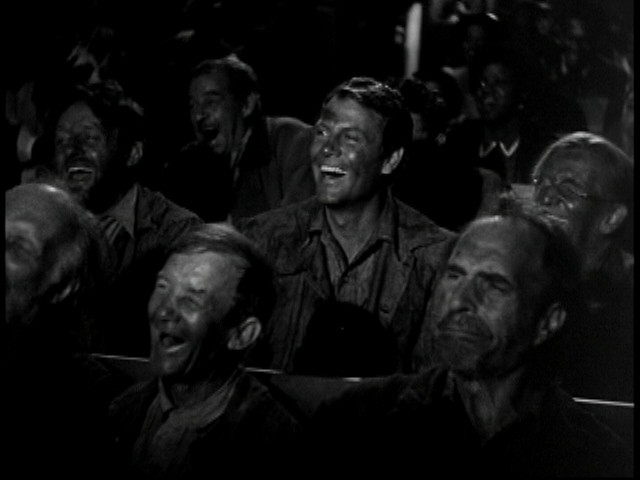
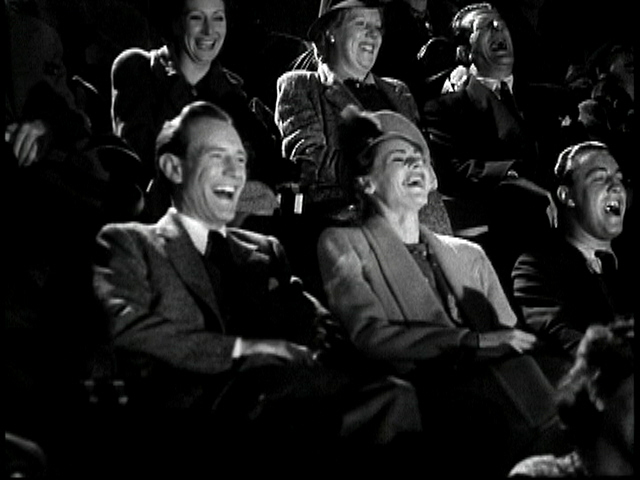
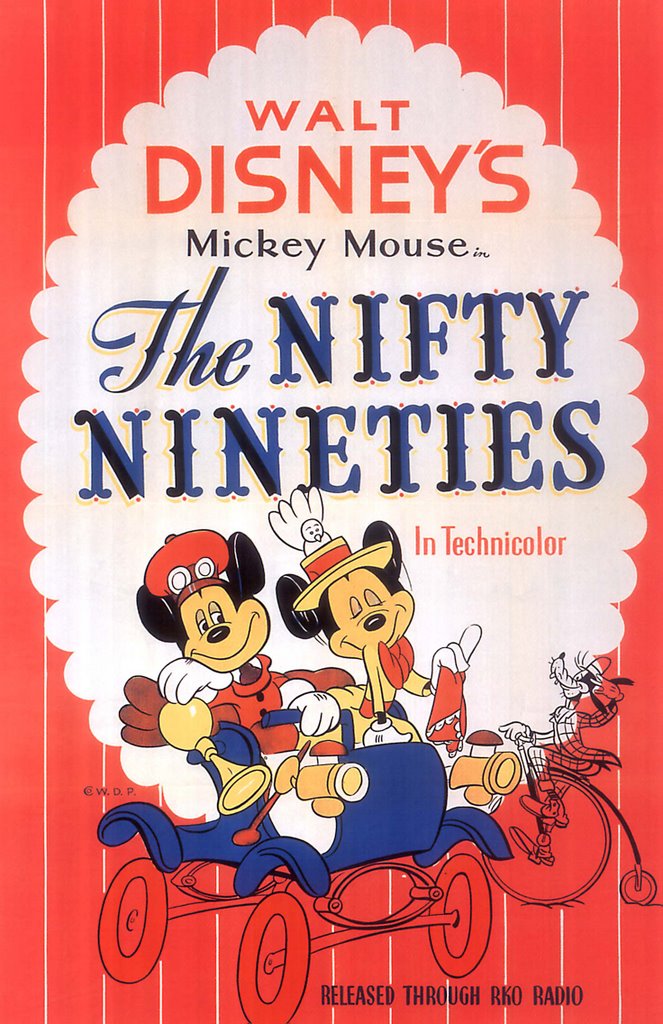 Trevor Howard and Celia Johnson are yukking it up with a balcony audience as the latest Donald Duck fades out. The movie is Brief Encounter. By 1945, Donald’s been blowing his stack for ten years, with far less by way of variation over the last five. Joel McCrea and fellow denizens of a chain gang surrender to spasms of mirth over Pluto’s collision with errant sheets of flypaper and a pair of suspenders in 1941’s Sullivan’s Travels. He’d been doing pretty much the same thing since the early thirties. Watching both these features today raises but one question in my mind --- Just what was so funny about these Disney cartoons? If they'd been watching Nasty Quacks (WB) or Red Hot Riding Hood (Avery-MGM), then yes, that laughter might make more sense, but Walt’s cartoons today earn not one chuckle from this jaded viewer. Was I born too late? Has our alleged greater sophistication rendered these once hilarious Donald/Mickey/Plutos impotent as laugh-getters, or is it just me? As it happens, my family took receipt of an 8mm print of that Pluto/flypaper segment when we acquired our first Bell&Howell home movie projector back in the late forties. This was the first movie I ever threaded up to watch, but I didn’t laugh like Joel McCrea. This week I watched five Disney cartoons released in 1941 --- Canine Caddy (Pluto), The Nifty Nineties and Orphan’s Benefit (Mickey), A Good Time For A Dime, plus Truant Officer Donald. I admired them all, but that was it. No other cartoons look so grand. When Pluto falls out of a tree, the leaves float down as a thousand individual cels patiently drawn and custom colored. I see "pretty ink-and-paint girls" (so described in The Reluctant Dragon) in lab coats applying Disney magic in air-conditioned comfort, but was all this conducive to the sort of humor rival studios were getting into their 1941 cartoons? The collegiate amenities we see during our studio tour in The Reluctant Dragon bespeak comfort, but what about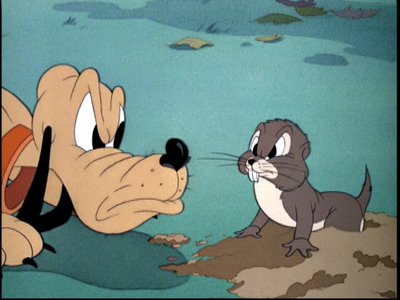
 I found an exhibitor’s comment for Truant Officer Donald in an old Motion Picture Herald. He said it was terrific… reminded him of The Three Little Pigs. Maybe these shorts need a big audience, though when I’ve tried them with college students, they tend to lay flat. Droopy and Wolfy go over big, however. My problem with Disney cartoons is the monotony of them. Donald’s always getting tangled up with machinery, be it a washing machine, lawn mower, what have you. I’ve seen that duck electrocuted more times than I care to recall, but somehow it’s never as funny as when the same thing happens to Daffy over at Warners. Pluto’s forever beset with smaller animals who get the better of him. In Canine Caddy, it was a gopher. I get so tired of damned gophers trumping Pluto. It’s ritual humiliation, and since he’s the audience identification figure, I tend to feel his frustration all the more acutely. Just once I’d like to see Pluto snatch up a gopher at the end of one of these shorts, bite off the head, and enjoy remains of the carcass before dipping his bloody paw into a finger-bowl and rejoining Mickey. Bon appetit, my man. As for the Mouse, he doesn’t even try to get laughs. The Nifty Nineties is mostly Mickey and Minnie riding around in a sputtering horseless carriage. Any shot in this cartoon would look great framed on your wall, but like Bing said to Bob in All-Star Bond Rally --- Tain’t funny, Hope, tain’t funny. I get the impression, especially after watching The Reluctant Dragon, that Disney artists were somehow timid about going after big guffaws, as if scoring a real gag might somehow disrupt efficiency of the Burbank Utopia they had so recently moved into. I don’t think Avery or Clampett would have lasted long in such a conservative environment. For all of The Reluctant Dragon’s effort in making this look like a wacky and unpredictable place, I sense baleful corporate policing of those pristine halls.
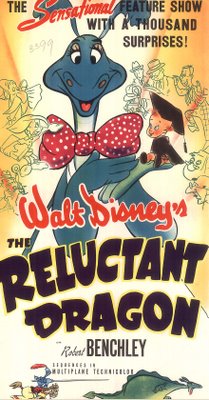
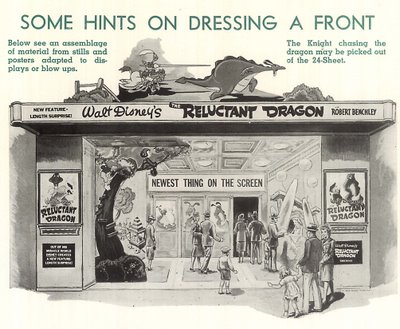
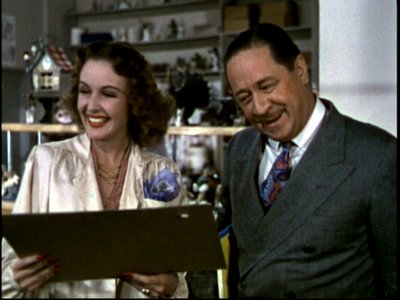
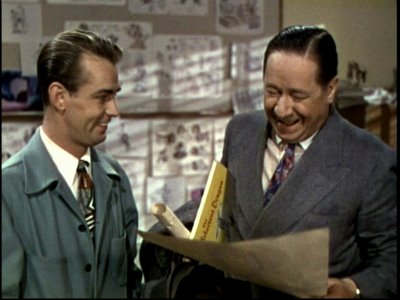 Would we enjoy these cartoons more if Disney had not withheld them for so many years? There was no satellite network devoted to them, in fact, no satellite networks. The only place to see these was the Sunday night World Of Color (main titles always removed) or reruns of The Mickey Mouse Club (same). Theatrical encounters were rare. We might get The Yellowstone Cubs or Ben and Me with Disney features, but seldom a cartoon short. I seldom saw Disney cartoons intact prior to 16mm collecting, and then they were pirated prints, or those educational service things with main titles replaced. At least the forties got original RKO credits, even if the cartoons themselves were routine. Humorist Robert Benchley sees some of them made in The Reluctant Dragon. The feature is a Blu-Ray extra with Ichabod and Mr. Toad and Fun and Fancy Free, Dragon a must for anyone interested in that studio’s operation and how it looked in 1941. Live action is far more compelling than co-joining animated segments, but Disney had to deliver up cartoon highlights, for these were signature product and people still equated his name with drawings that moved. The Reluctant Dragon was regarded as something of a cheater in 1941, being little more than a precursor to a typical Disneyland episode from the fifties, promoting Disney product and glorifying the magic environs of his unique studio setting. No other company would have brass enough to charge admission for what was essentially a tour of the lot. Benchley’s presence implies a short subject, as does animated bits spotted throughout a 72-minute running time. Bob is henpecked and nearly as reluctant as the titular dragon to keep his appointment with legendary Walt. Frances Gifford plays a Disney staff member, one of a handful of pro actors drafted to simulate Disney employees, Frank Faylen another, plus live wire Alan Ladd to provide spirited narration for the saga of Baby Weems. I’d assume his radio background cinched the job. Were it not for This Gun For Hire, we might have enjoyed Alan Ladd’s voice behind any number of subsequent True-Life adventures.
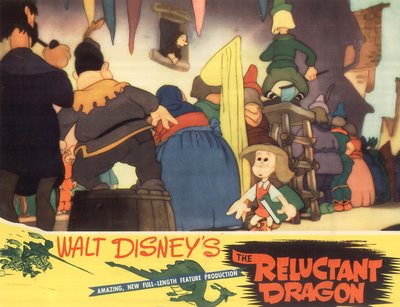
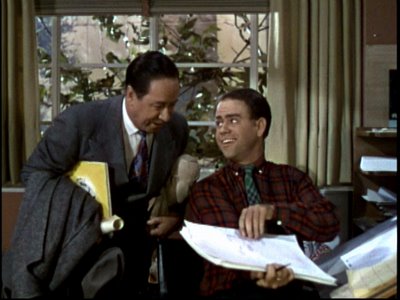
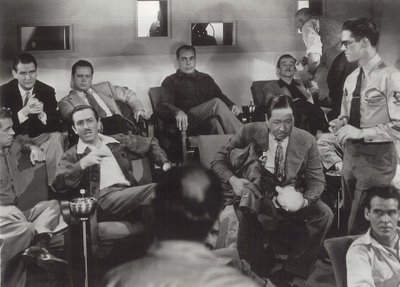 The best actor here is real-life animator Ward Kimball, at all times relaxed and confident as he walks Benchley through stages of a Goofy cartoon, then shares the final product on his Moviola. I don’t know how much screen exposure Kimball got in later TV programs, but real opportunity may have been missed. Kimball would have made an affable host for Disneyland shows about history and technique of animation, but of course, there would not have been sufficient on-camera room for both he and the boss. Still, of veteran artists who worked on the lot, Kimball had a clearest understanding of Walt’s character and realities of working for him. Fascinating to know that while they were filming this idyllic depiction of life on the studio lot, strike talk was fermenting and disgruntled employees by the hundreds were preparing to walk out on Disney. That is a most dramatic subtext at work here. Were these people painting their picket signs at home even as they played happy employees for the Technicolor camera? Walt’s own appearance is brief, but telling. He is the distracted executive, issuing orders as Benchley enters his screening sanctorum, benign Uncle Walt still a decade off. Disney tucks a foot into his seat and regales his guest with a frankly labored cartoon segment to wrap up the show. "The Reluctant Dragon" we see turns out to be an overlong, latter-day Silly Symphony that does not work half so well as the old Symphonies. The Reluctant Dragon would subsequently go out as a variety of short subjects, making it all the more welcome as an intact, and beautifully preserved, feature on Disney Blu-Ray.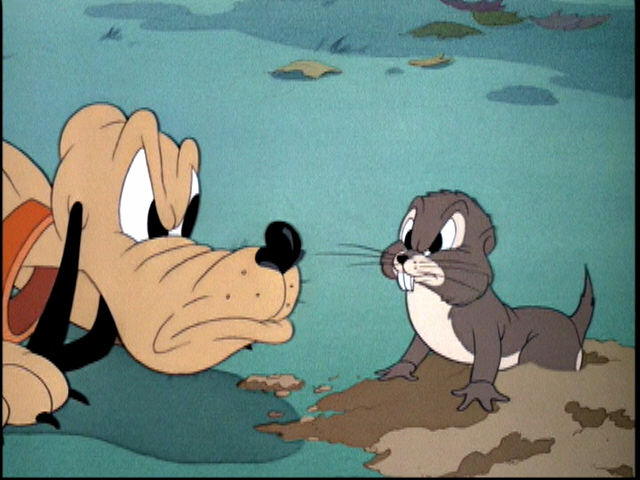
 I found an exhibitor’s comment for Truant Officer Donald in an old Motion Picture Herald. He said it was terrific… reminded him of The Three Little Pigs. Maybe these shorts need a big audience, though when I’ve tried them with college students, they tend to lay flat. Droopy and Wolfy go over big, however. My problem with Disney cartoons is the monotony of them. Donald’s always getting tangled up with machinery, be it a washing machine, lawn mower, what have you. I’ve seen that duck electrocuted more times than I care to recall, but somehow it’s never as funny as when the same thing happens to Daffy over at Warners. Pluto’s forever beset with smaller animals who get the better of him. In Canine Caddy, it was a gopher. I get so tired of damned gophers trumping Pluto. It’s ritual humiliation, and since he’s the audience identification figure, I tend to feel his frustration all the more acutely. Just once I’d like to see Pluto snatch up a gopher at the end of one of these shorts, bite off the head, and enjoy remains of the carcass before dipping his bloody paw into a finger-bowl and rejoining Mickey. Bon appetit, my man. As for the Mouse, he doesn’t even try to get laughs. The Nifty Nineties is mostly Mickey and Minnie riding around in a sputtering horseless carriage. Any shot in this cartoon would look great framed on your wall, but like Bing said to Bob in All-Star Bond Rally --- Tain’t funny, Hope, tain’t funny. I get the impression, especially after watching The Reluctant Dragon, that Disney artists were somehow timid about going after big guffaws, as if scoring a real gag might somehow disrupt efficiency of the Burbank Utopia they had so recently moved into. I don’t think Avery or Clampett would have lasted long in such a conservative environment. For all of The Reluctant Dragon’s effort in making this look like a wacky and unpredictable place, I sense baleful corporate policing of those pristine halls.


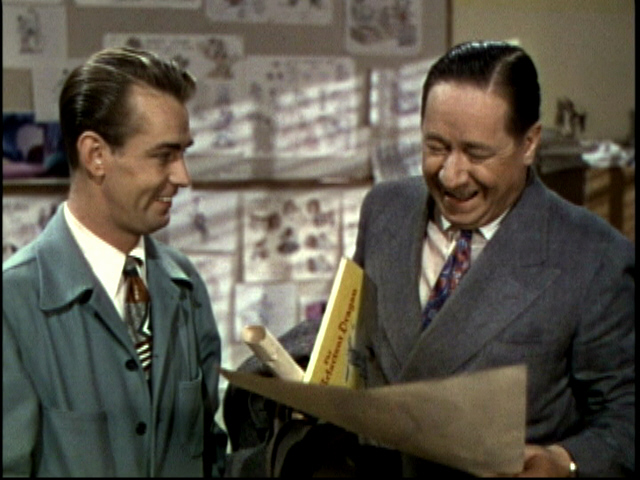 Would we enjoy these cartoons more if Disney had not withheld them for so many years? There was no satellite network devoted to them, in fact, no satellite networks. The only place to see these was the Sunday night World Of Color (main titles always removed) or reruns of The Mickey Mouse Club (same). Theatrical encounters were rare. We might get The Yellowstone Cubs or Ben and Me with Disney features, but seldom a cartoon short. I seldom saw Disney cartoons intact prior to 16mm collecting, and then they were pirated prints, or those educational service things with main titles replaced. At least the forties got original RKO credits, even if the cartoons themselves were routine. Humorist Robert Benchley sees some of them made in The Reluctant Dragon. The feature is a Blu-Ray extra with Ichabod and Mr. Toad and Fun and Fancy Free, Dragon a must for anyone interested in that studio’s operation and how it looked in 1941. Live action is far more compelling than co-joining animated segments, but Disney had to deliver up cartoon highlights, for these were signature product and people still equated his name with drawings that moved. The Reluctant Dragon was regarded as something of a cheater in 1941, being little more than a precursor to a typical Disneyland episode from the fifties, promoting Disney product and glorifying the magic environs of his unique studio setting. No other company would have brass enough to charge admission for what was essentially a tour of the lot. Benchley’s presence implies a short subject, as does animated bits spotted throughout a 72-minute running time. Bob is henpecked and nearly as reluctant as the titular dragon to keep his appointment with legendary Walt. Frances Gifford plays a Disney staff member, one of a handful of pro actors drafted to simulate Disney employees, Frank Faylen another, plus live wire Alan Ladd to provide spirited narration for the saga of Baby Weems. I’d assume his radio background cinched the job. Were it not for This Gun For Hire, we might have enjoyed Alan Ladd’s voice behind any number of subsequent True-Life adventures.

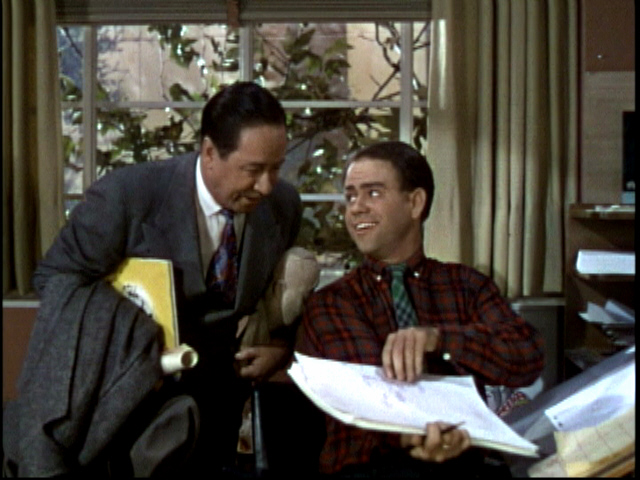
 The best actor here is real-life animator Ward Kimball, at all times relaxed and confident as he walks Benchley through stages of a Goofy cartoon, then shares the final product on his Moviola. I don’t know how much screen exposure Kimball got in later TV programs, but real opportunity may have been missed. Kimball would have made an affable host for Disneyland shows about history and technique of animation, but of course, there would not have been sufficient on-camera room for both he and the boss. Still, of veteran artists who worked on the lot, Kimball had a clearest understanding of Walt’s character and realities of working for him. Fascinating to know that while they were filming this idyllic depiction of life on the studio lot, strike talk was fermenting and disgruntled employees by the hundreds were preparing to walk out on Disney. That is a most dramatic subtext at work here. Were these people painting their picket signs at home even as they played happy employees for the Technicolor camera? Walt’s own appearance is brief, but telling. He is the distracted executive, issuing orders as Benchley enters his screening sanctorum, benign Uncle Walt still a decade off. Disney tucks a foot into his seat and regales his guest with a frankly labored cartoon segment to wrap up the show. "The Reluctant Dragon" we see turns out to be an overlong, latter-day Silly Symphony that does not work half so well as the old Symphonies. The Reluctant Dragon would subsequently go out as a variety of short subjects, making it all the more welcome as an intact, and beautifully preserved, feature on Disney Blu-Ray.